


BOTICA AMANO Ceramics · Barcelos, Portugal
Alexander Stadter
“We chose Barcelos over bigger factories in the south so we can talk through every detail with the makers.”
Botica Amano started from something very personal. I’ve always been interested in design and in objects that feel honest, functional, and meant to be lived with. When I moved to Portugal, I found myself surrounded by an incredible ceramic culture, with skilled artisans quite literally in front of my door. At first, I didn’t plan to create a brand. I simply wanted to design pieces for my own home — objects I couldn’t quite find elsewhere. Through close collaboration with local makers, those first pieces took shape, guided by conversation, experimentation, and everyday use. Over time, the idea grew. What began as something just for us slowly turned into a desire to share these objects with others. Botica Amano was born from that moment, bringing together my passion for contemporary design and a deep respect for local ceramic heritage. Today, Botica Amano is a ceramic design studio based in Portugal, creating thoughtful pieces that combine traditional manufacturing with modern forms — made to be used, lived with, and appreciated over time.
Share a quick thought with Alexander to reveal your discount at checkout.
Log in to unlock
15% off all products
Selected pieces
View all
BOTICA AMANO Ceramics · Barcelos, Portugal
Editorial Review
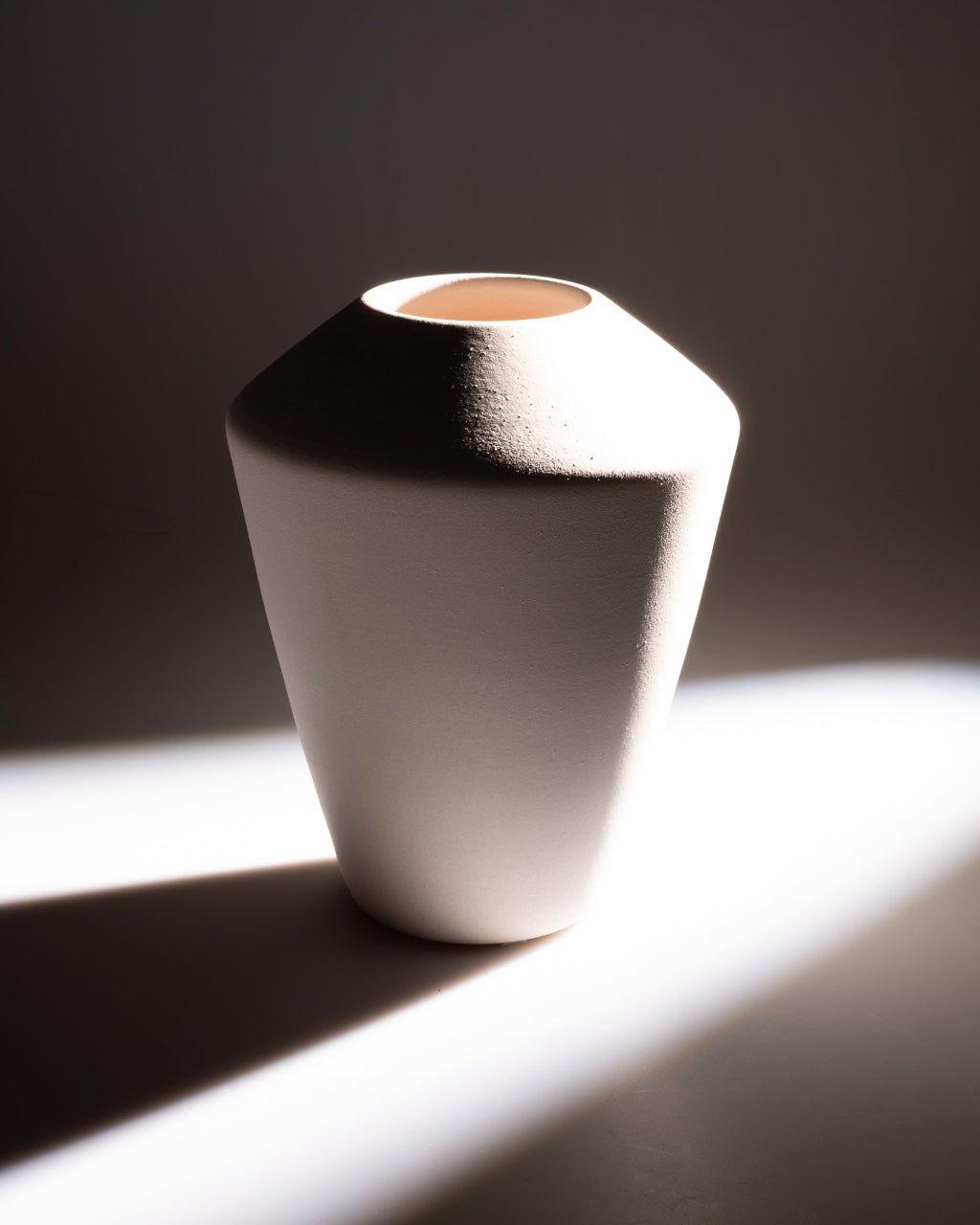
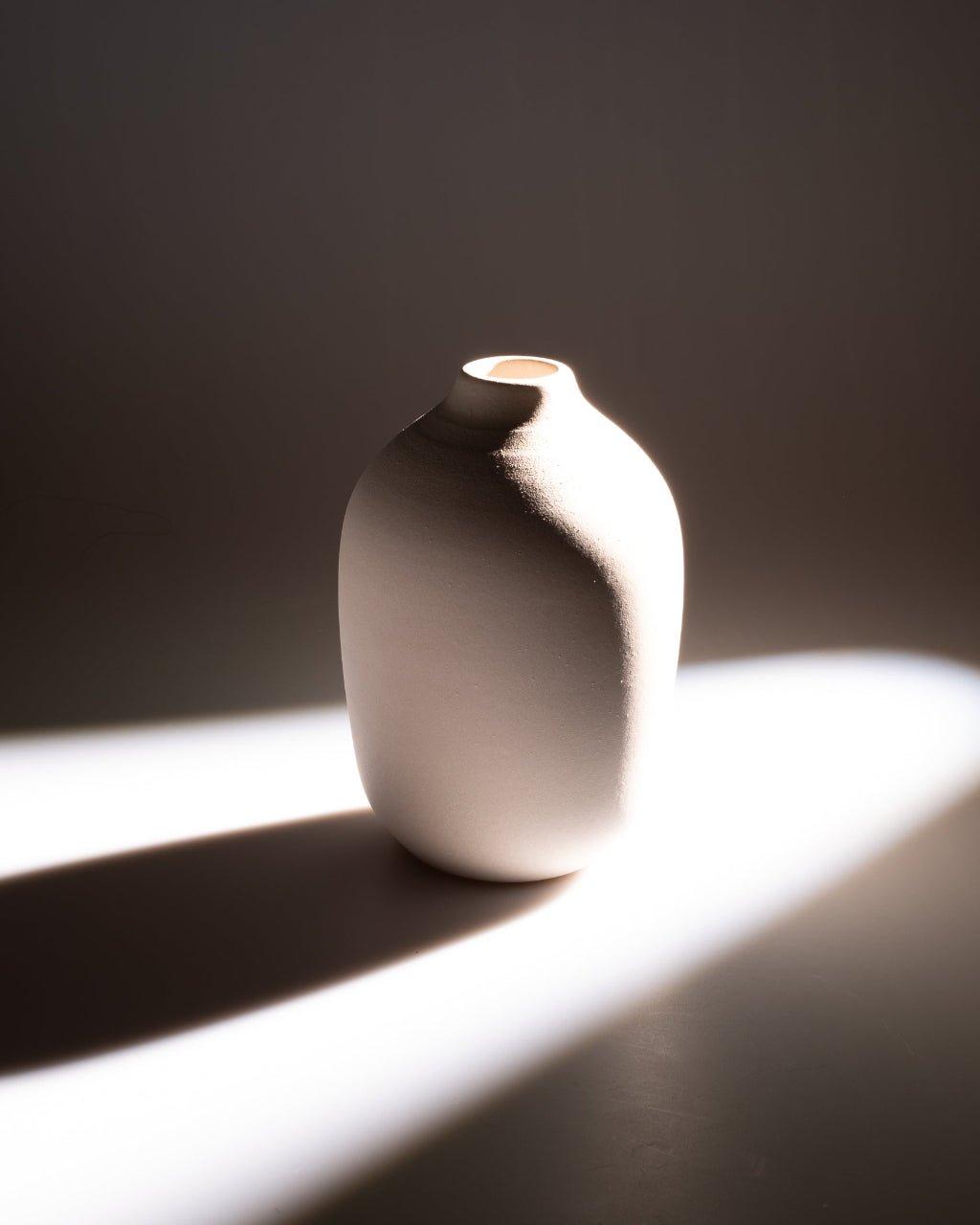
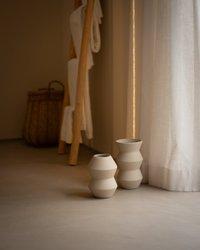
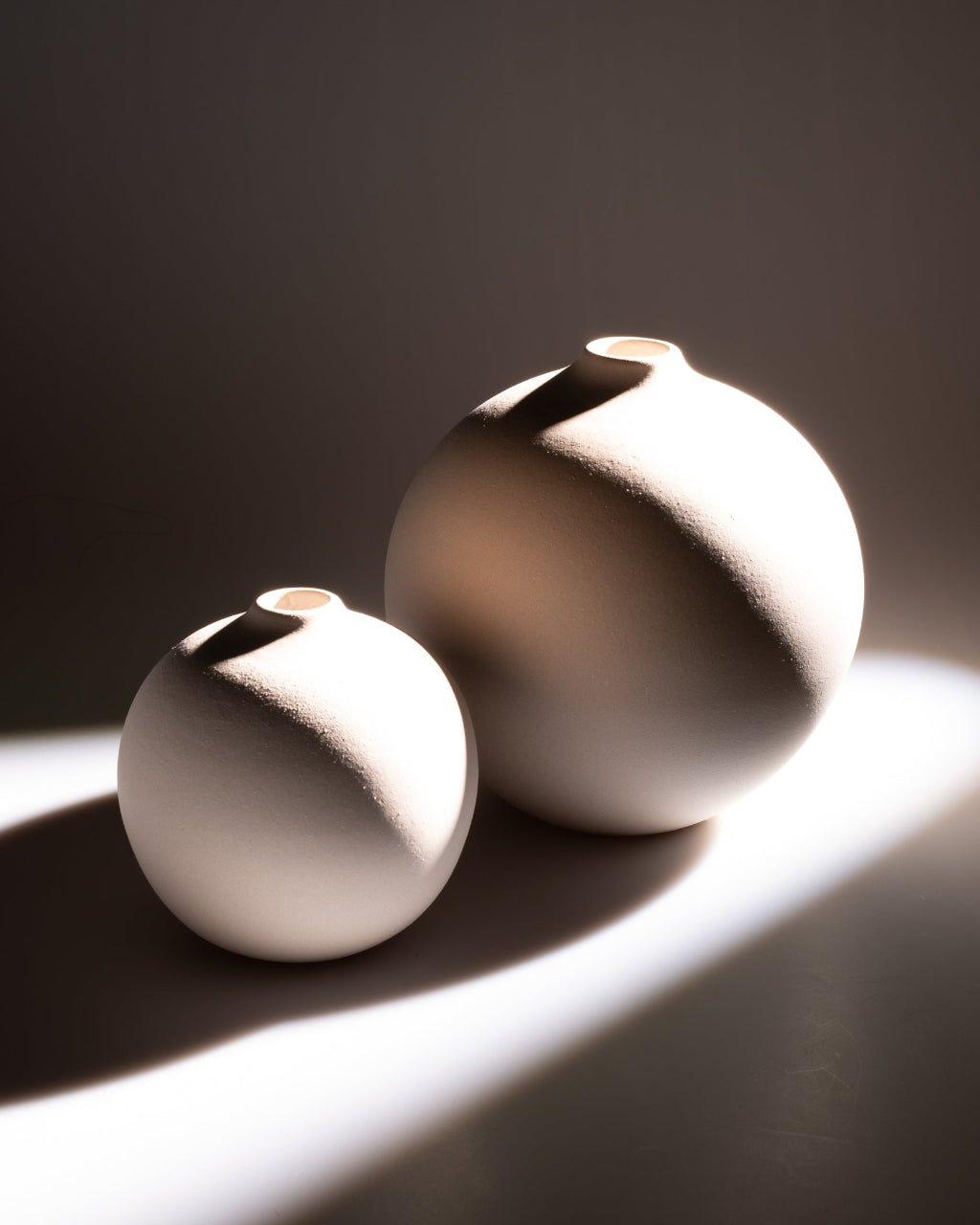
Wheel-thrown tableware and vases from recycled clay, made in family workshops near Barcelos. Founded in 2024 by Alexander Stadter.


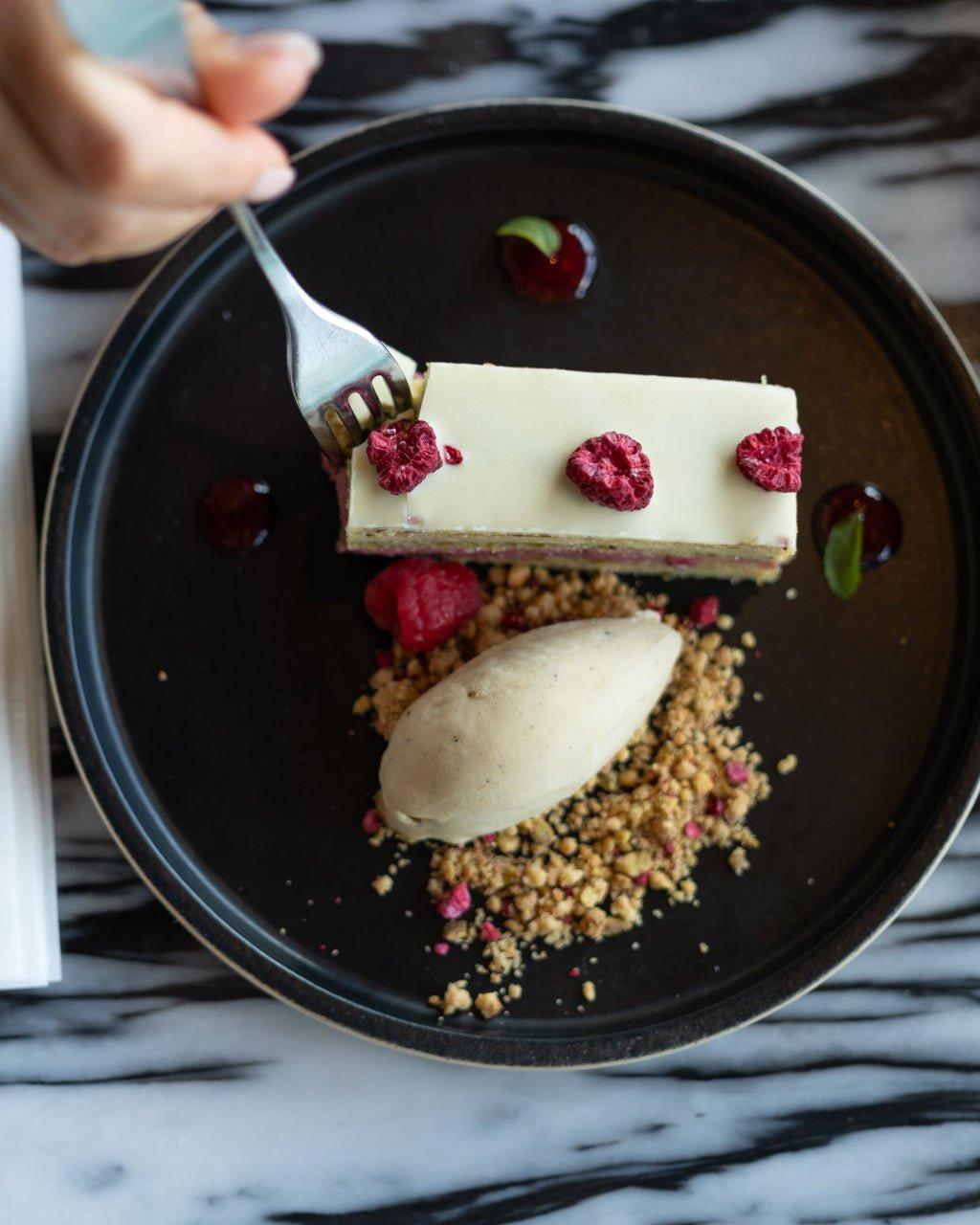
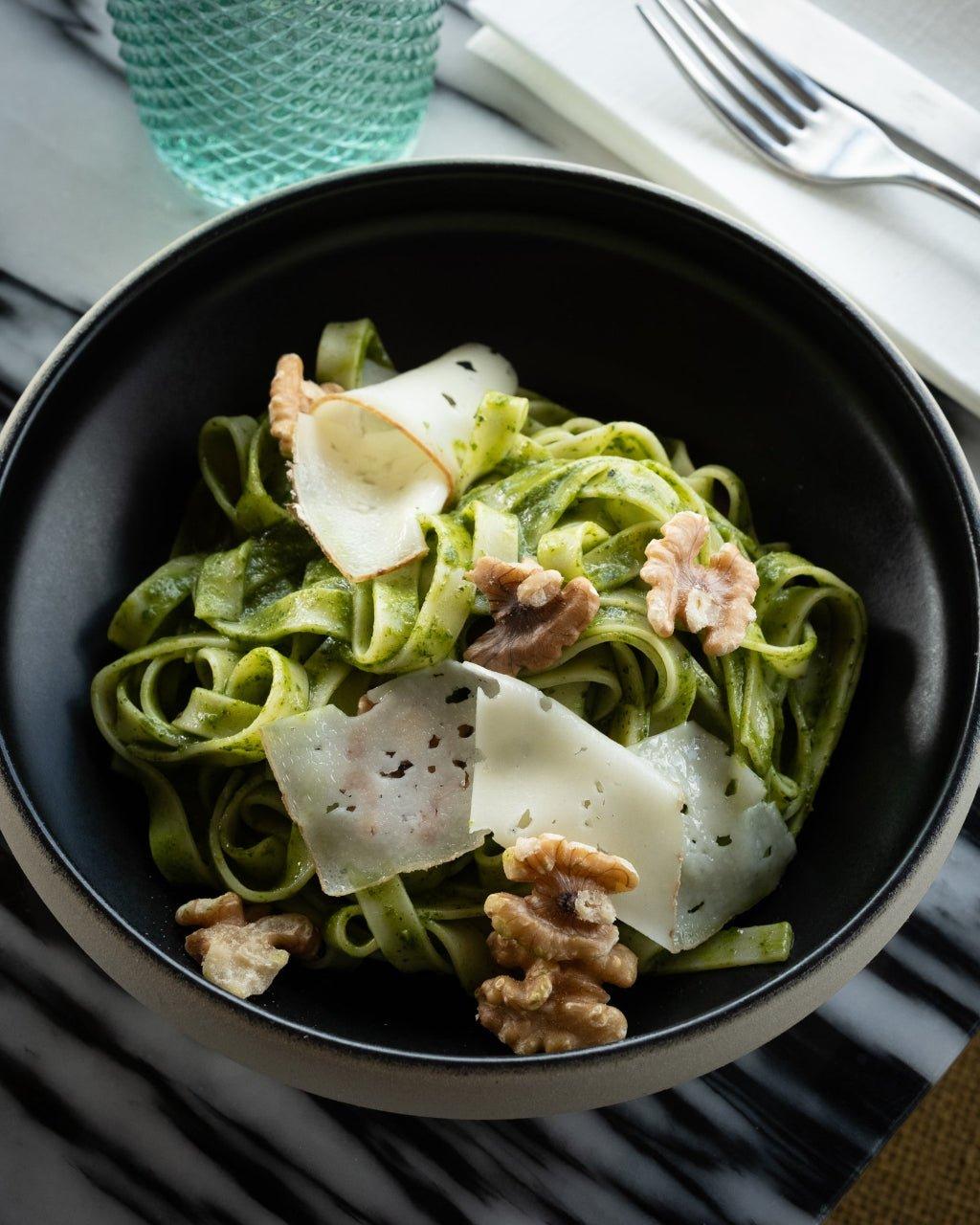
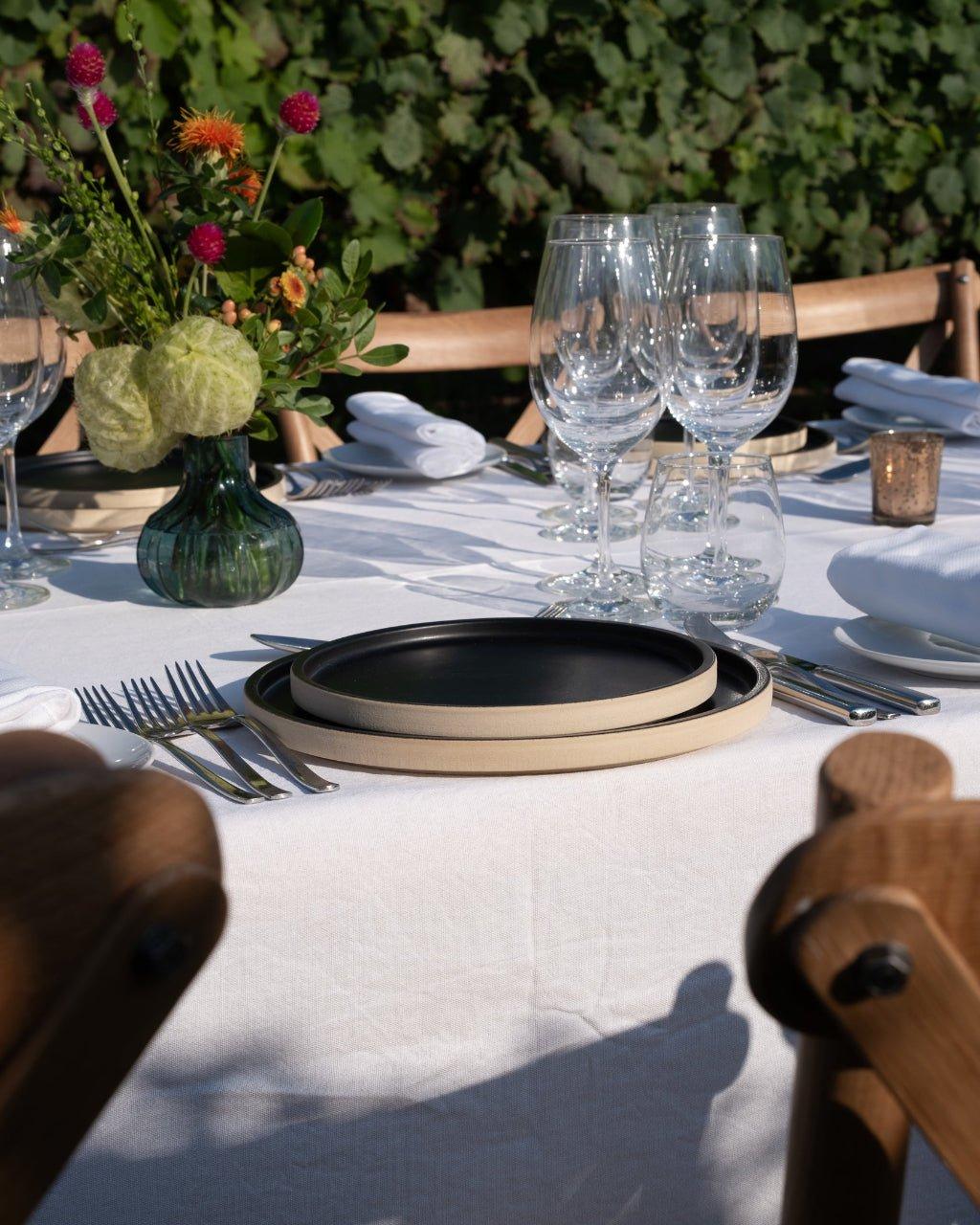
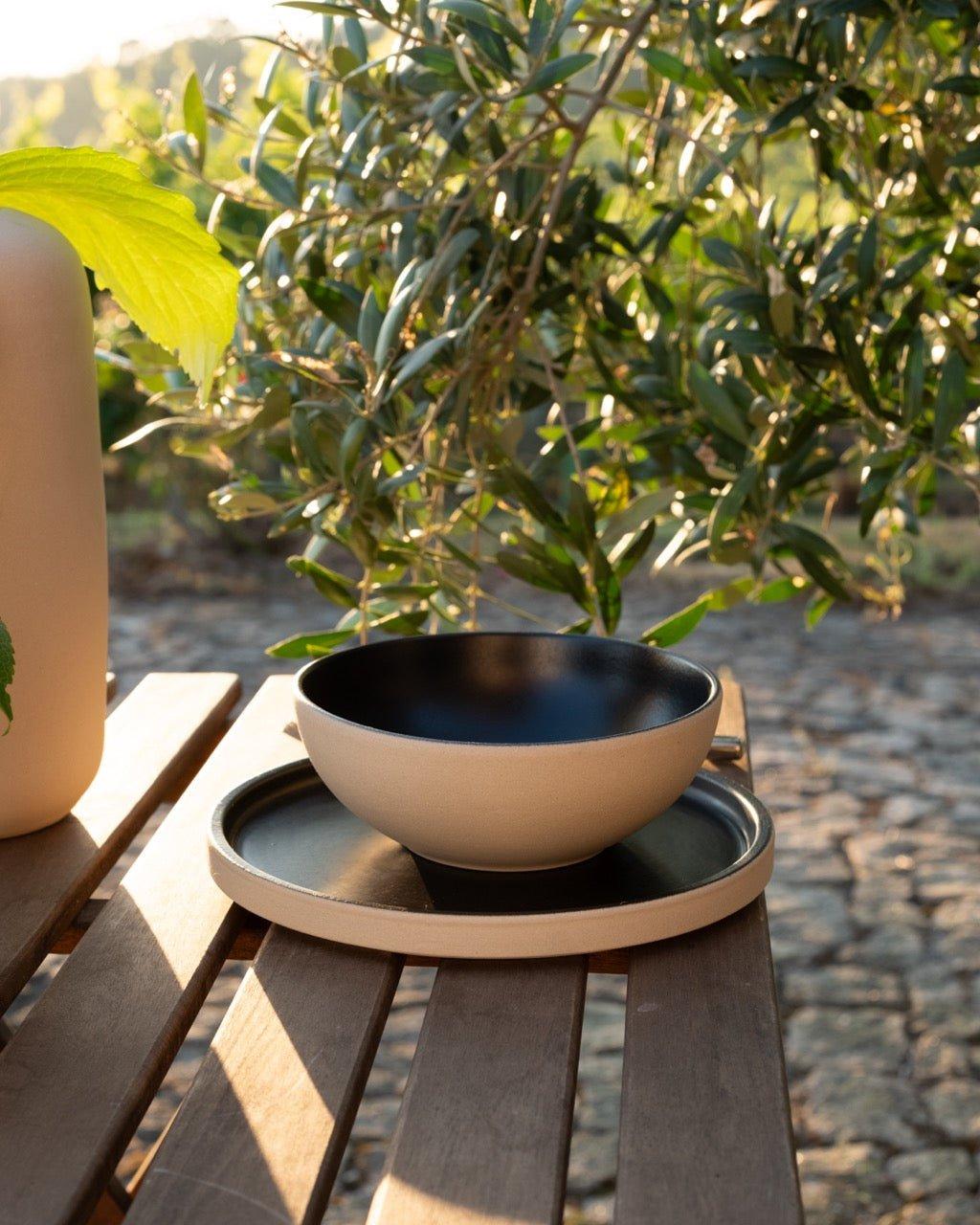
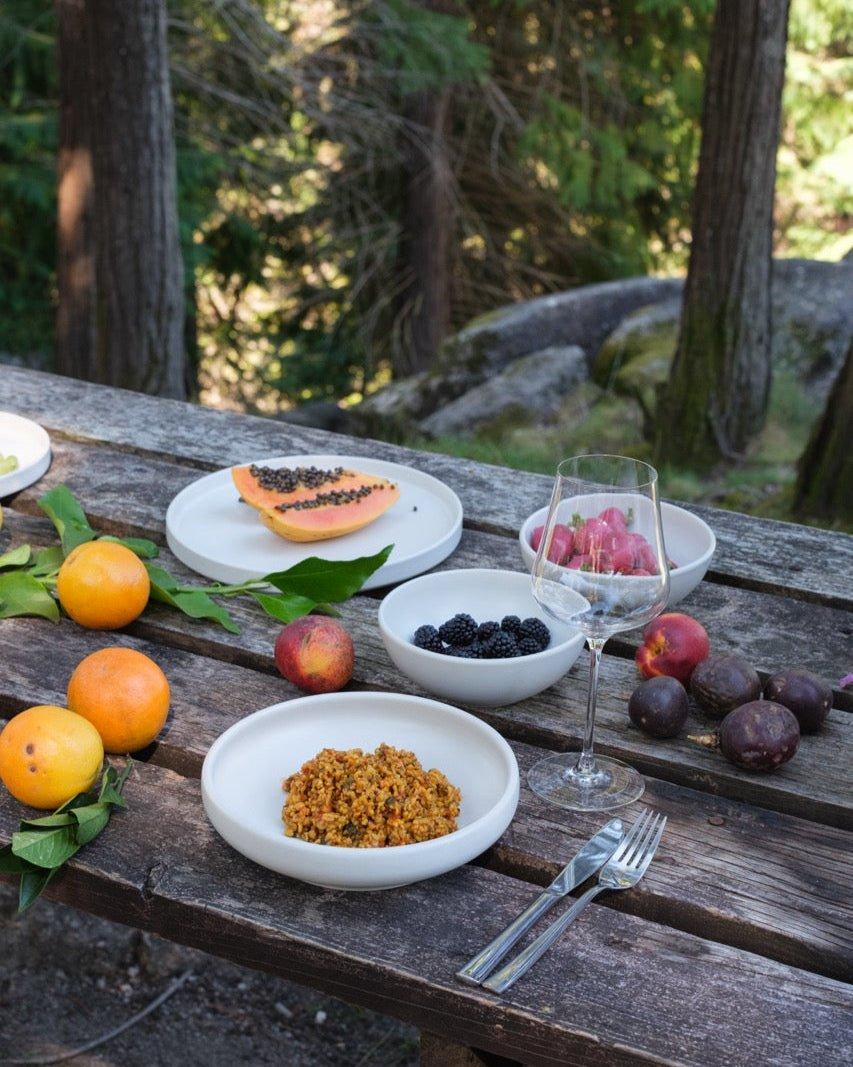
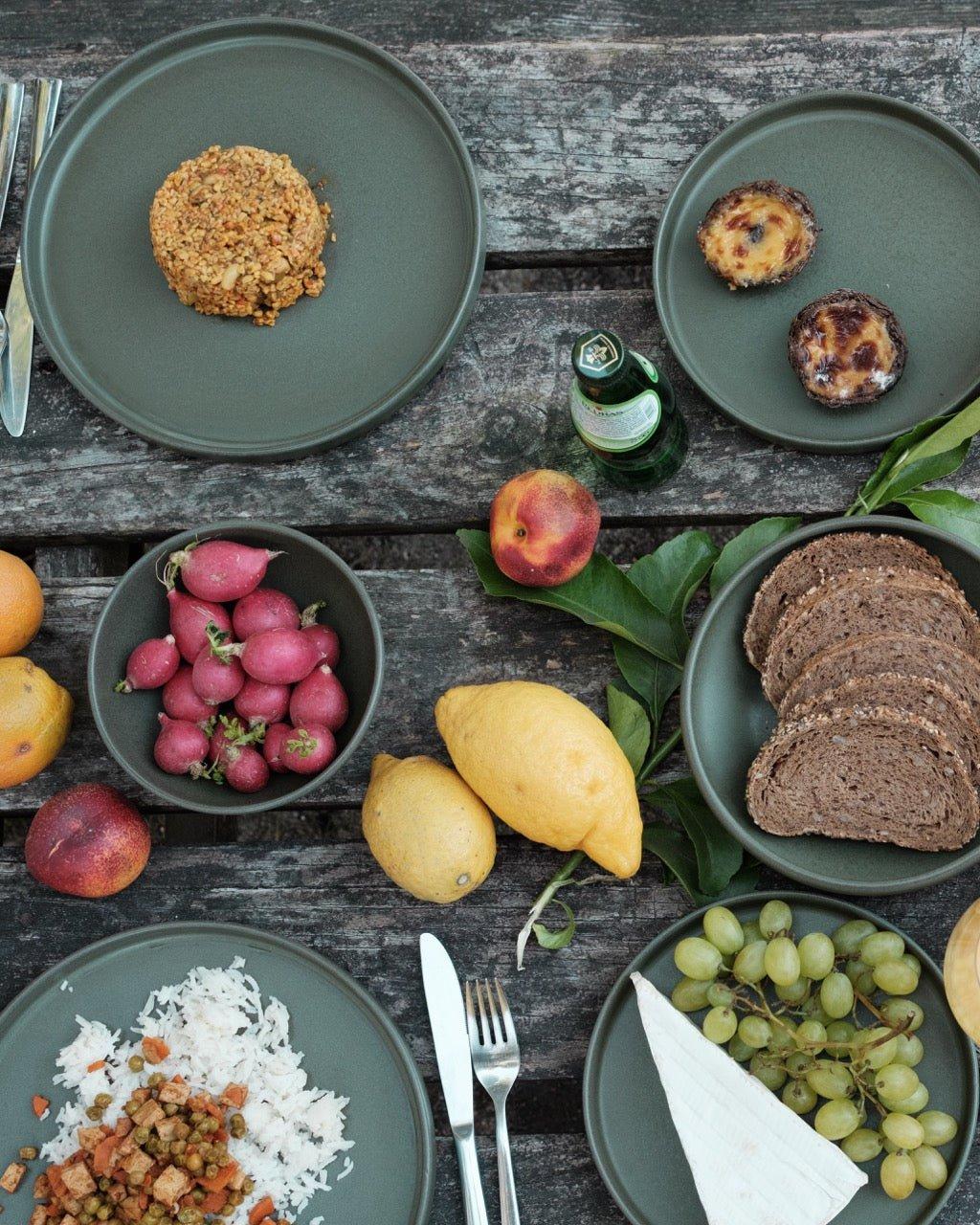
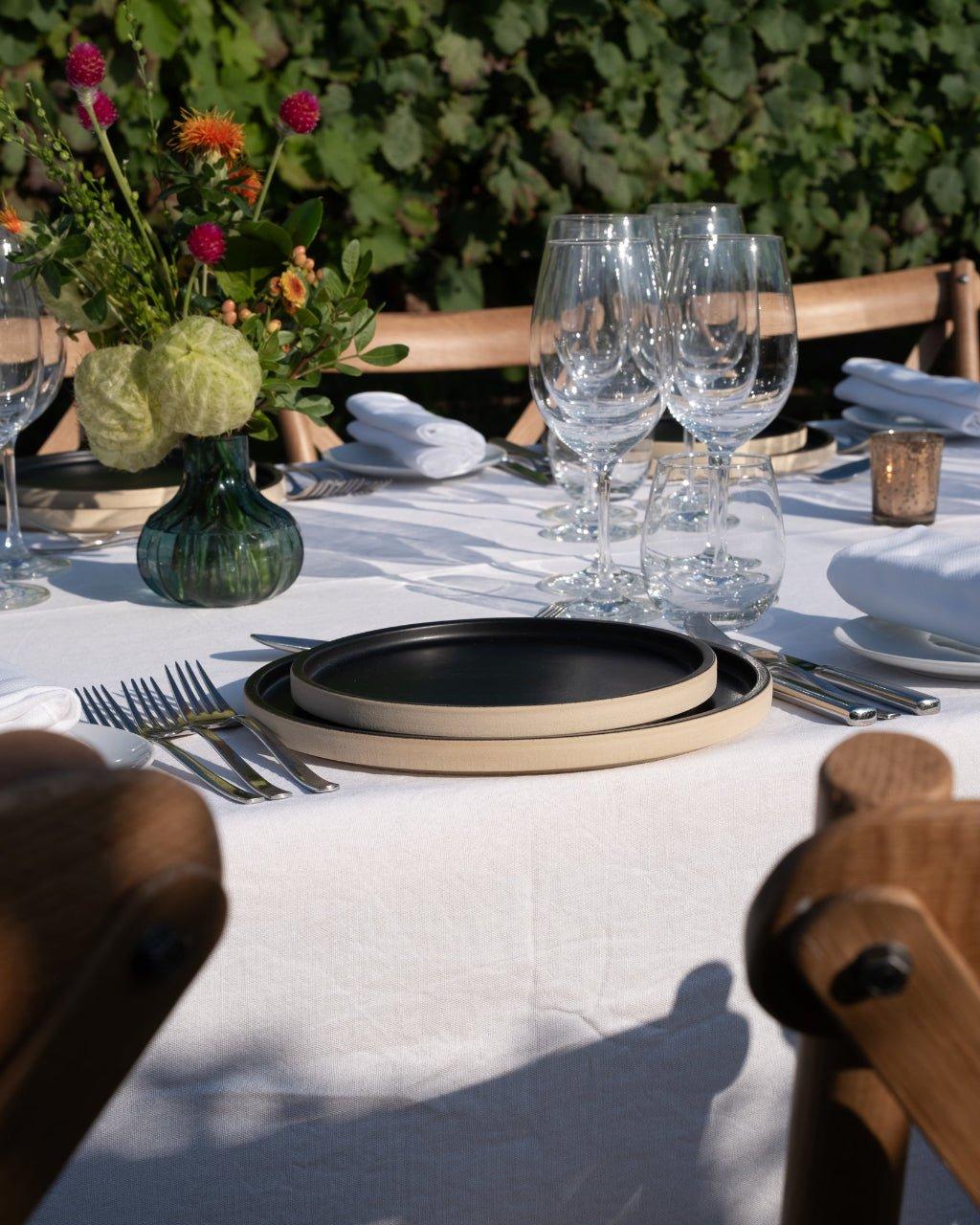
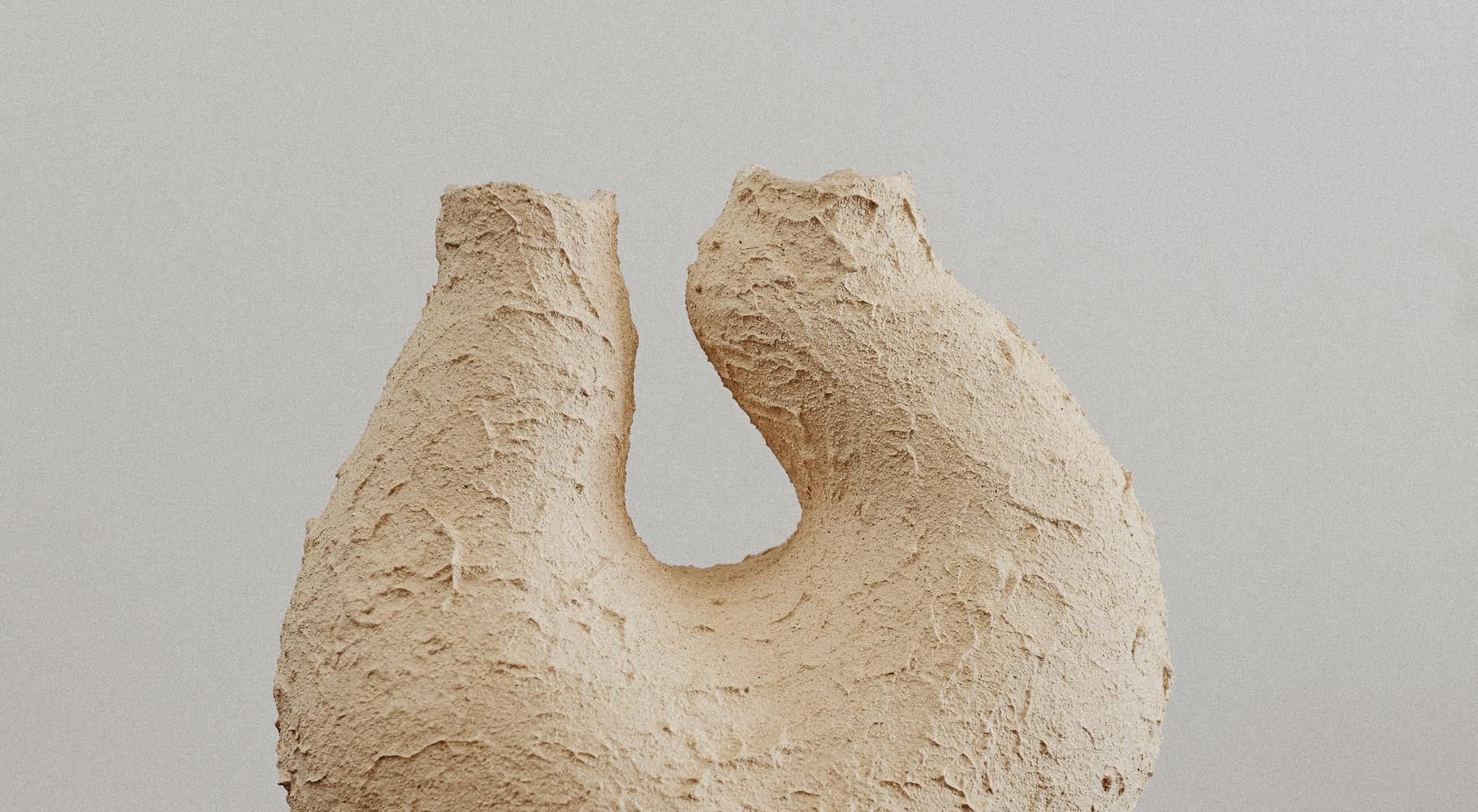
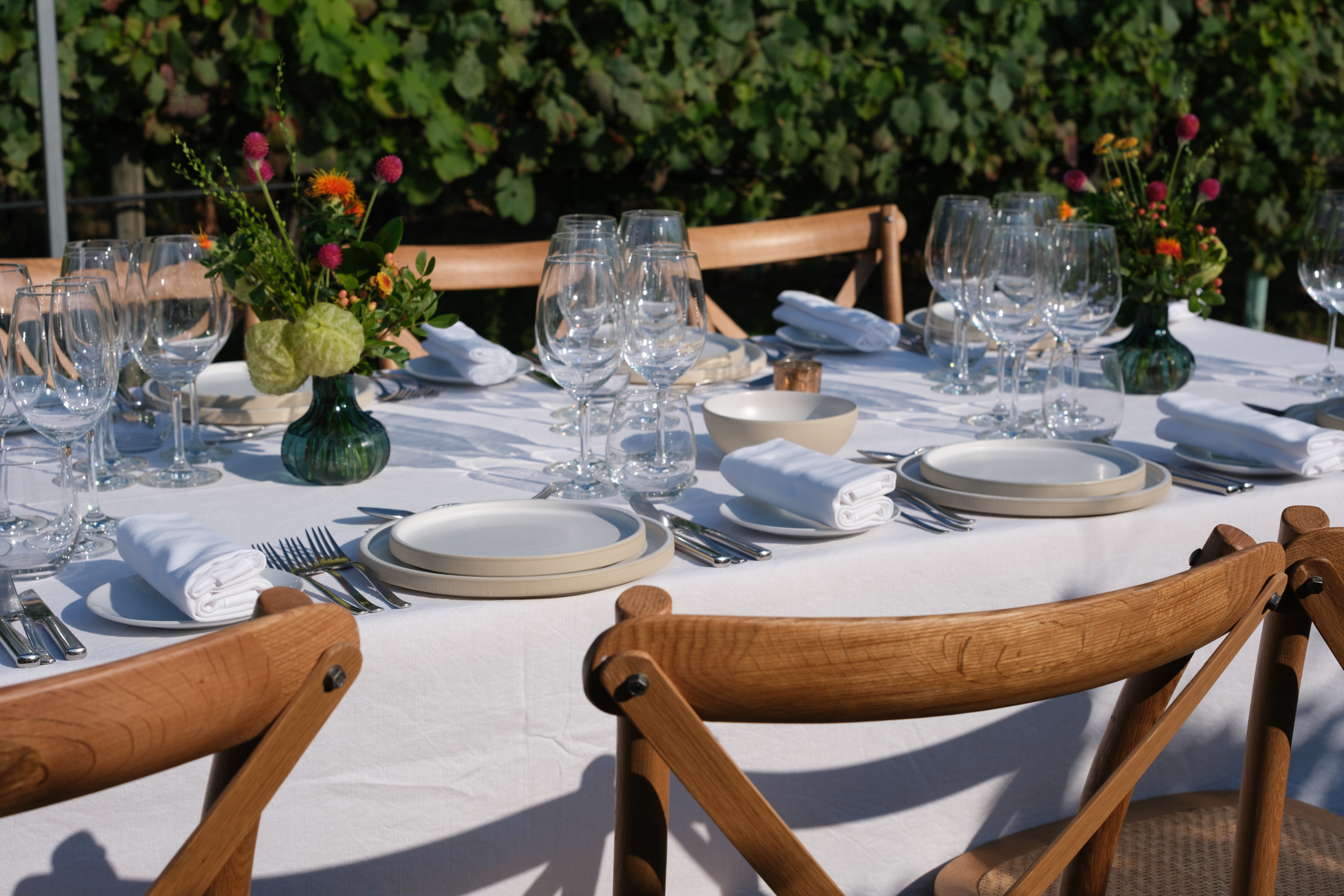
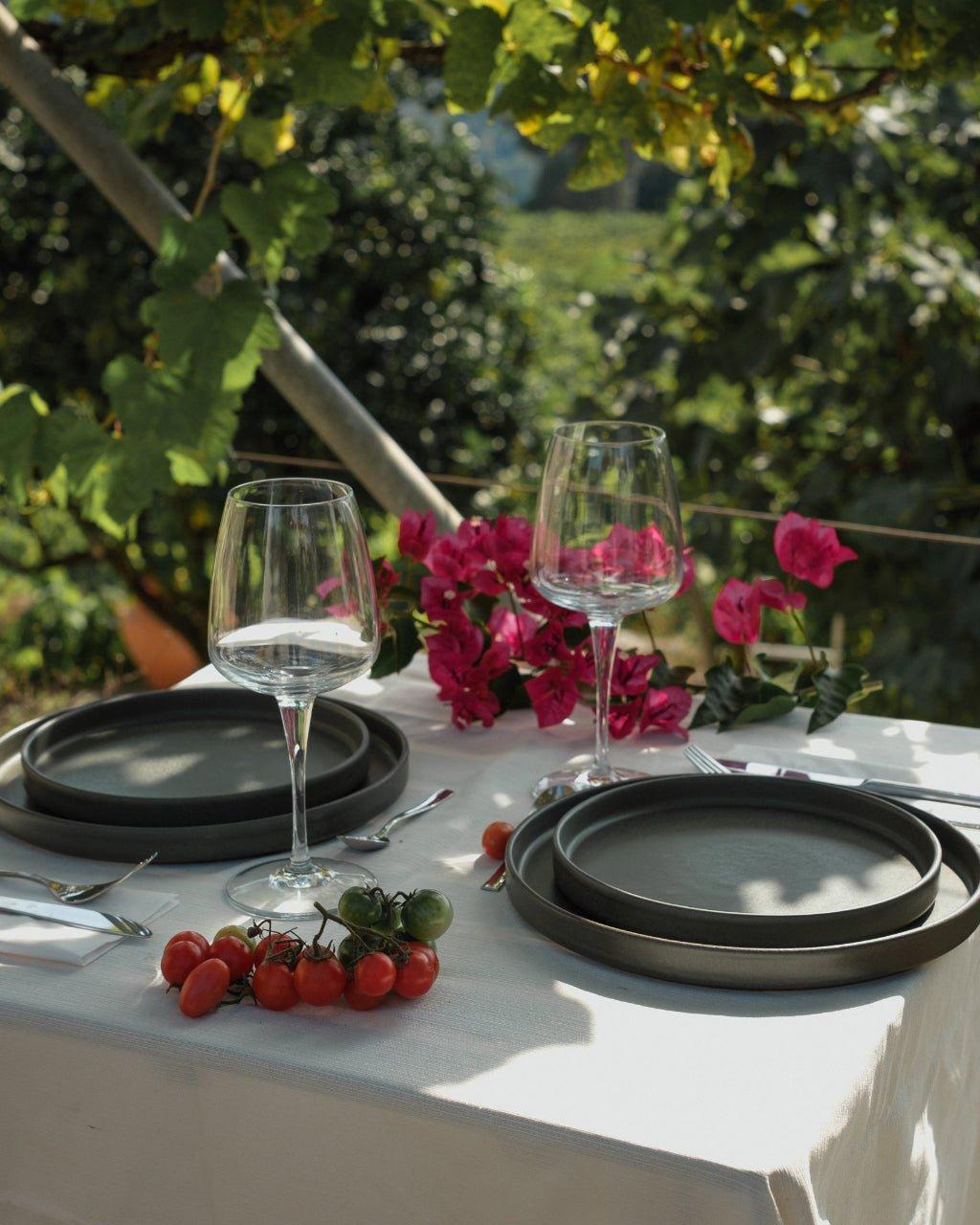
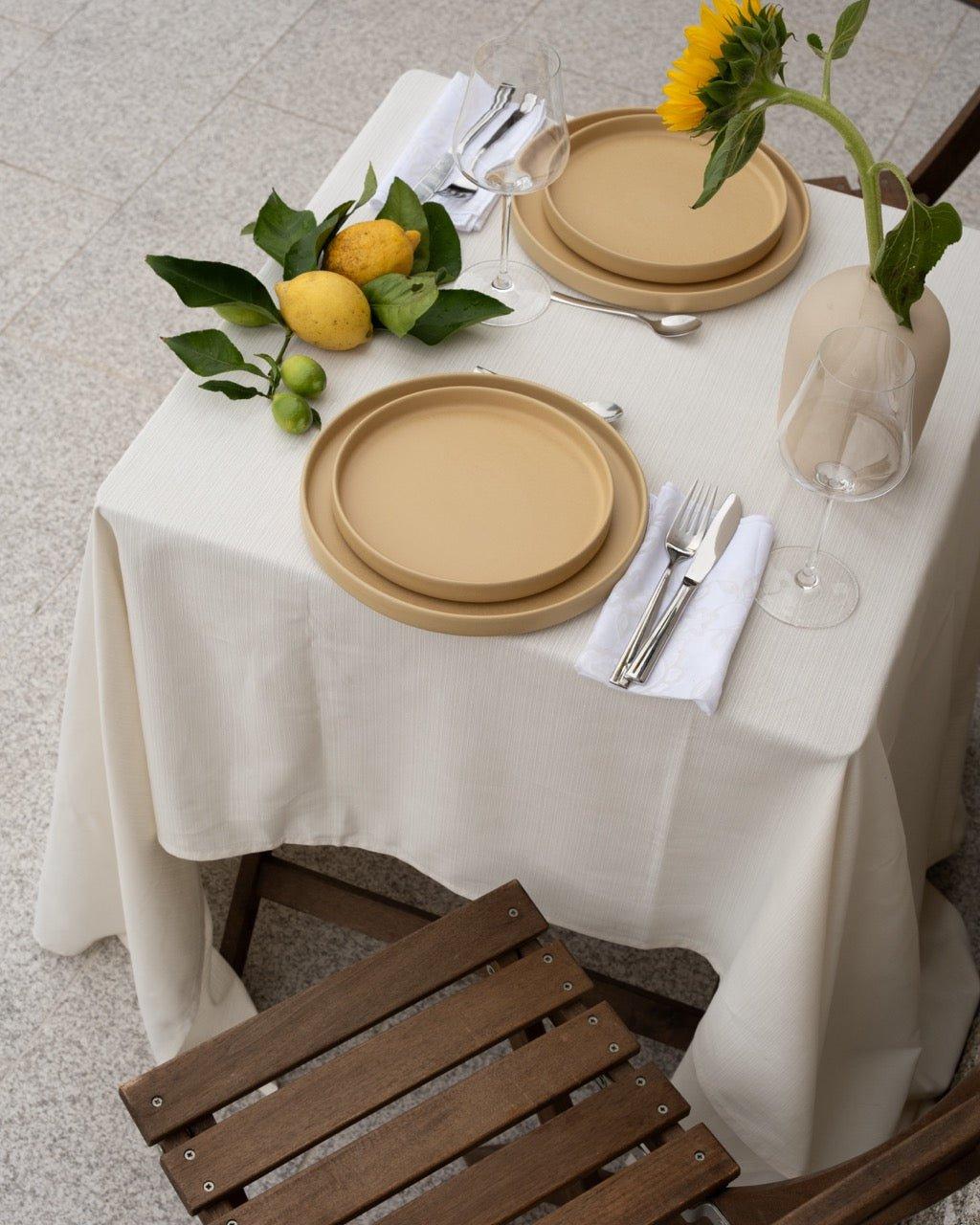
In Barcelos, a small city in northern Portugal with a ceramics tradition stretching back centuries, the sides of a plate are left deliberately unglazed. The bare stoneware, rough, warm to the touch, is not a flaw but the point. This is Botica Amano's RAW collection, and it says more about the brand's philosophy than any mission statement could.
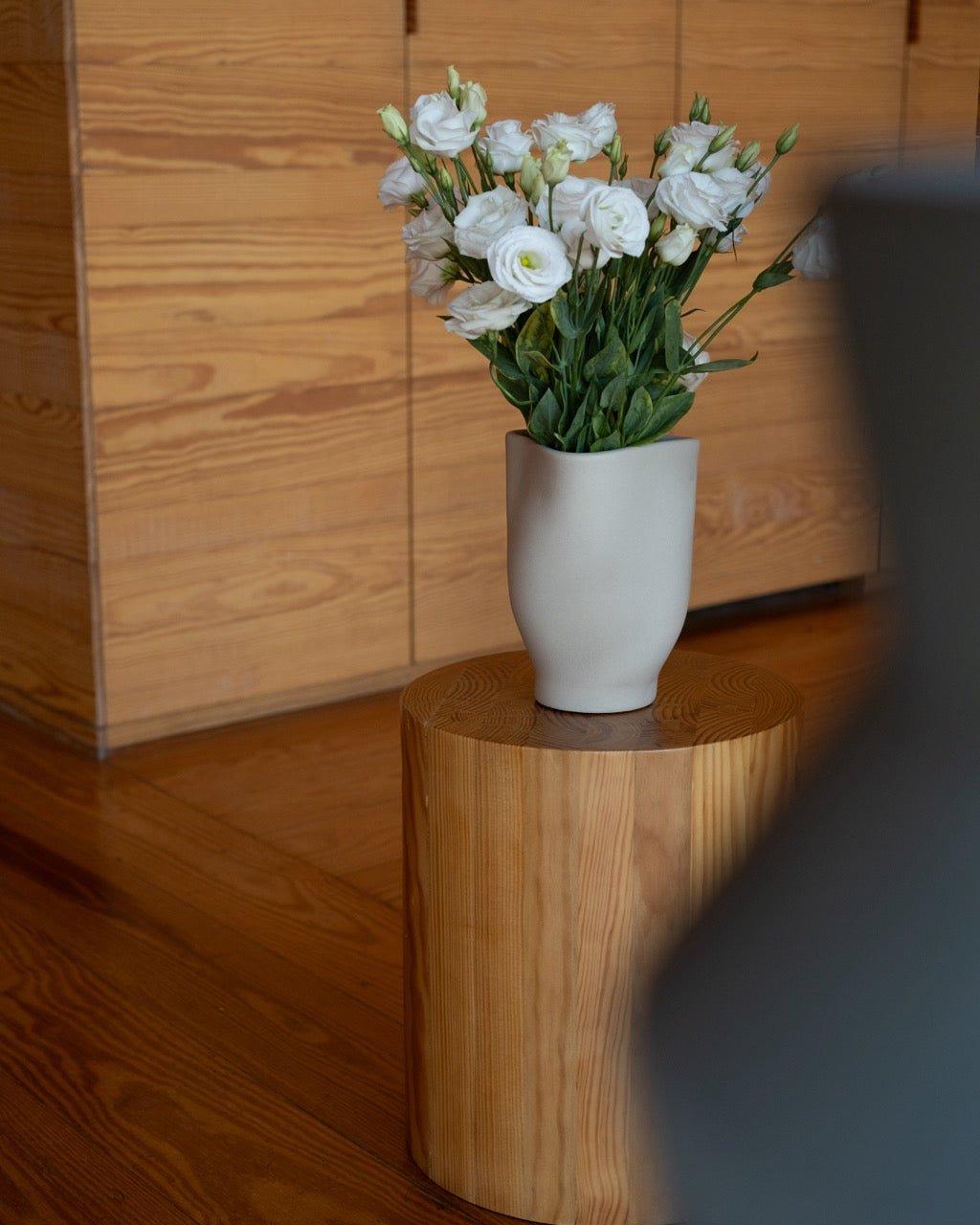
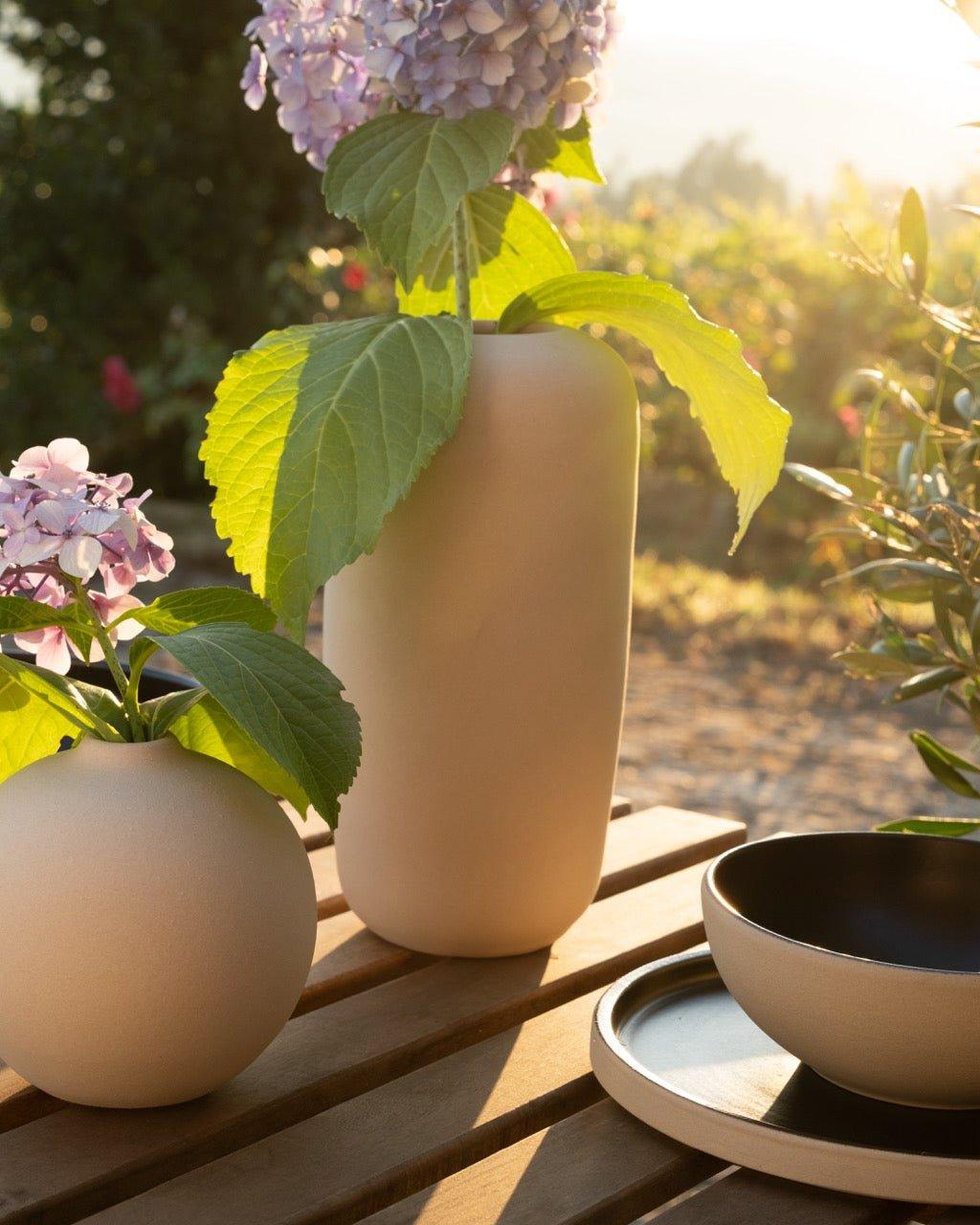
Botica Amano is a design studio rooted in Barcelos, where it develops tableware and hand-thrown vases in close partnership with local manufacturers. The tableware workshop employs around 40 people and is now in its second generation of family ownership. The vase workshop is smaller, just six artisans, including two "Rodistas" who shape each piece on the potter's wheel. The studio chose these partners deliberately, favoring small-scale craft operations over the larger industrial facilities in Portugal's south.
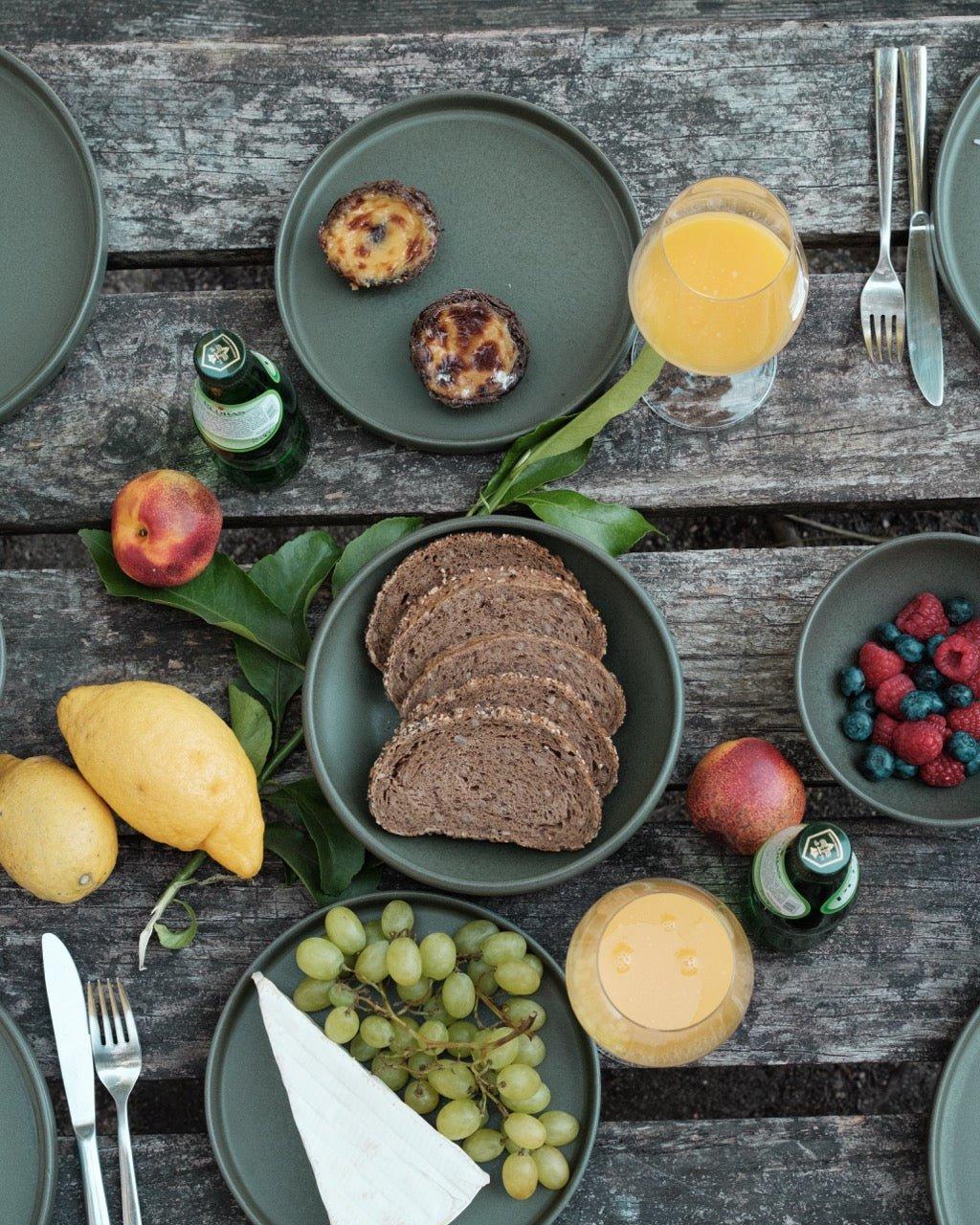
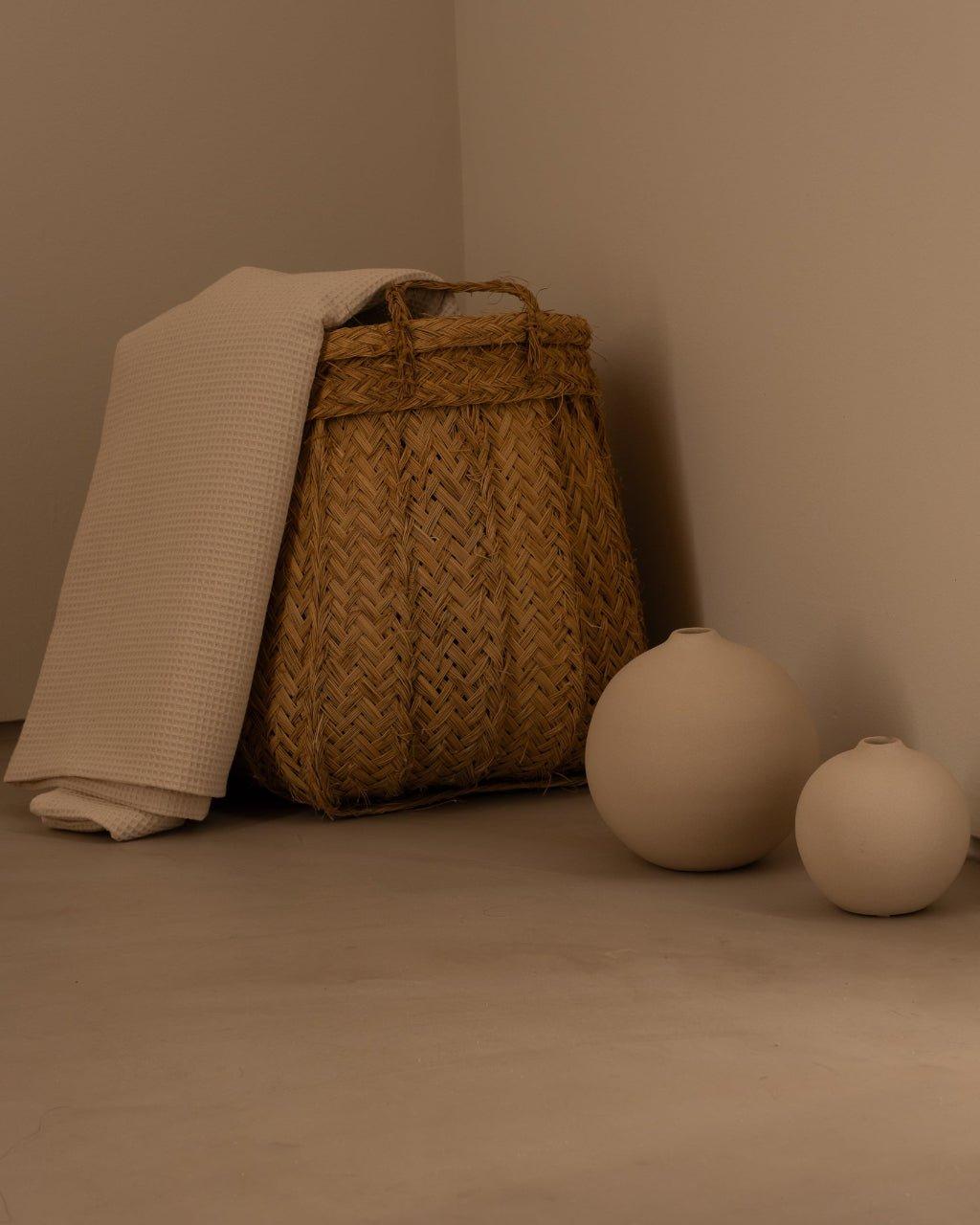
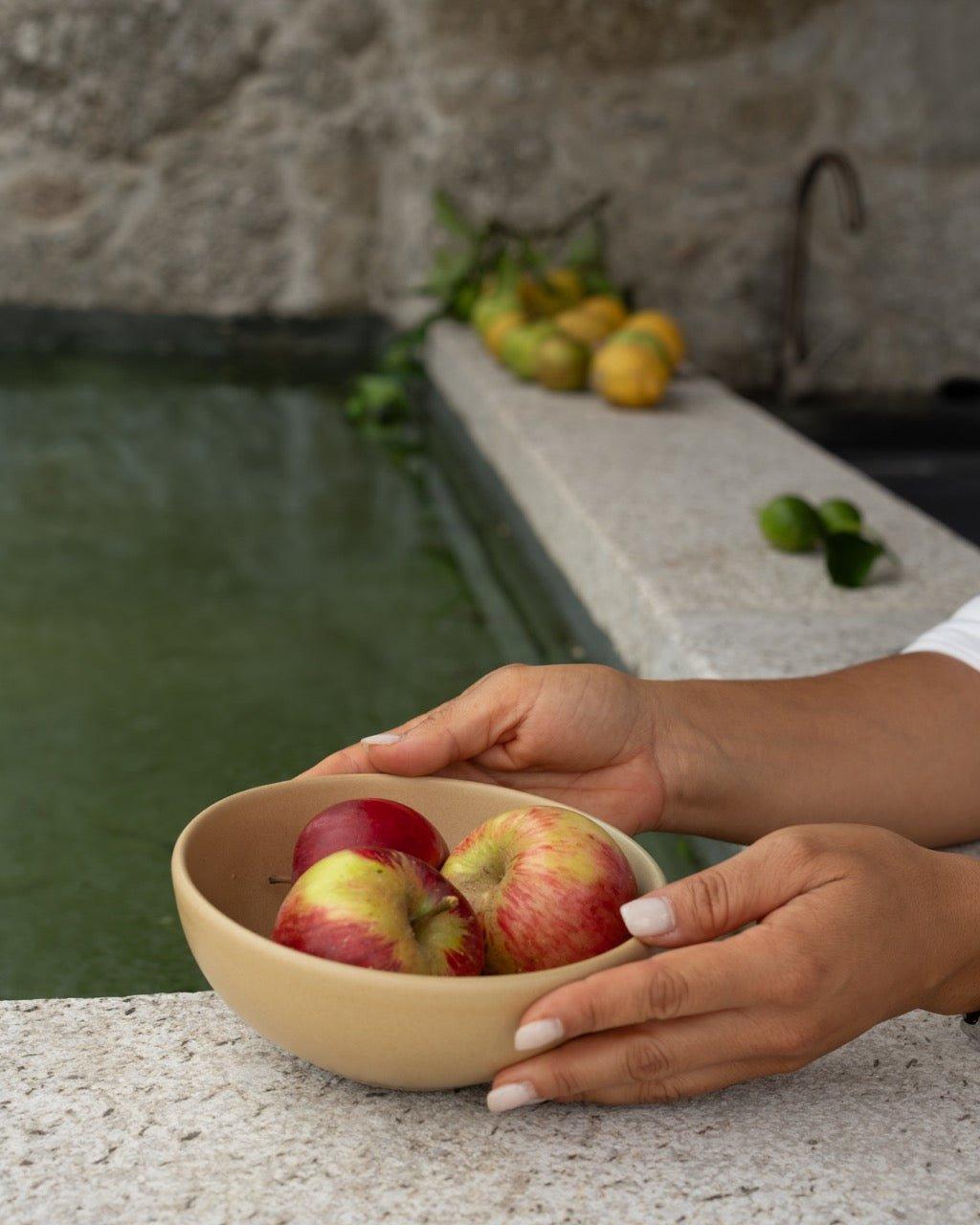
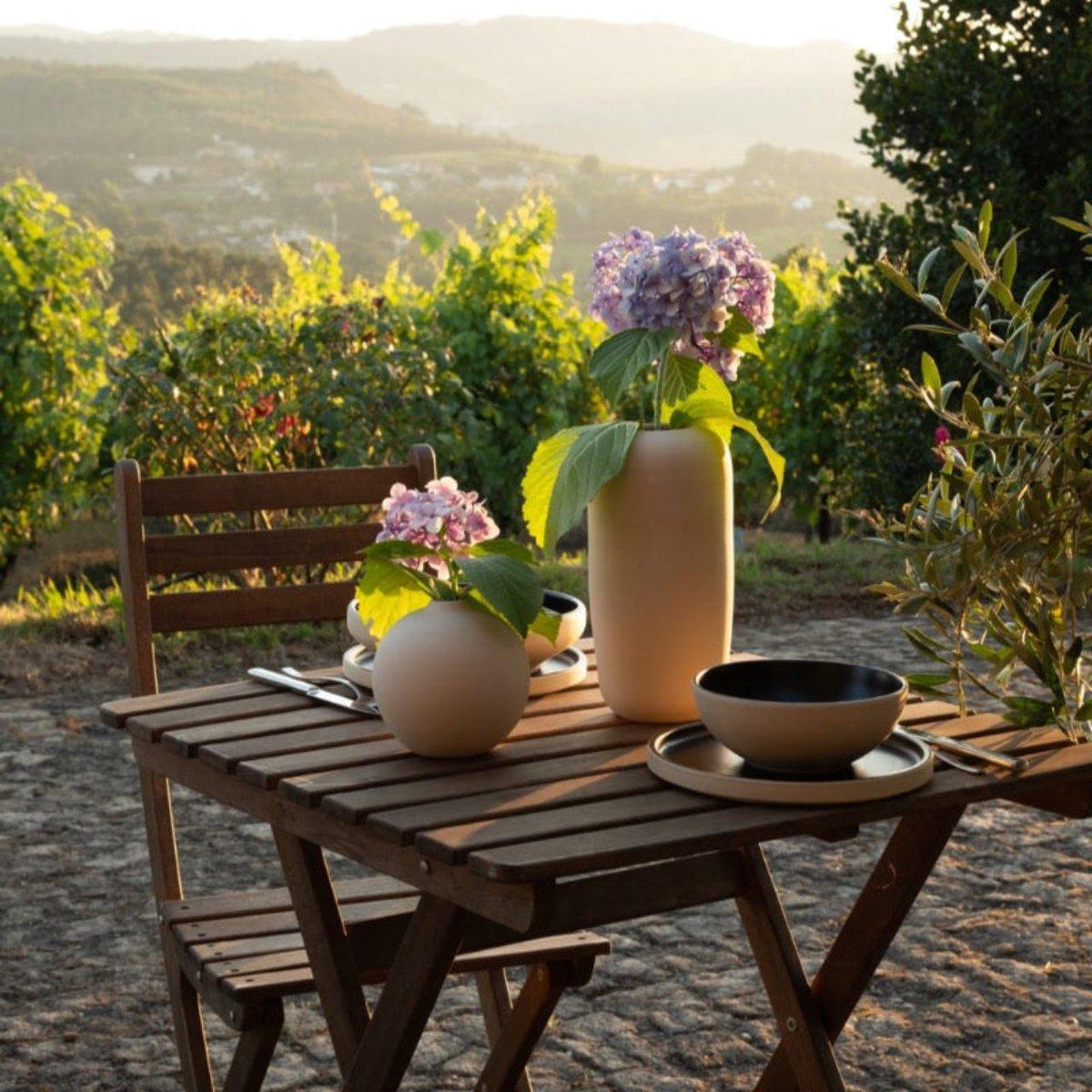
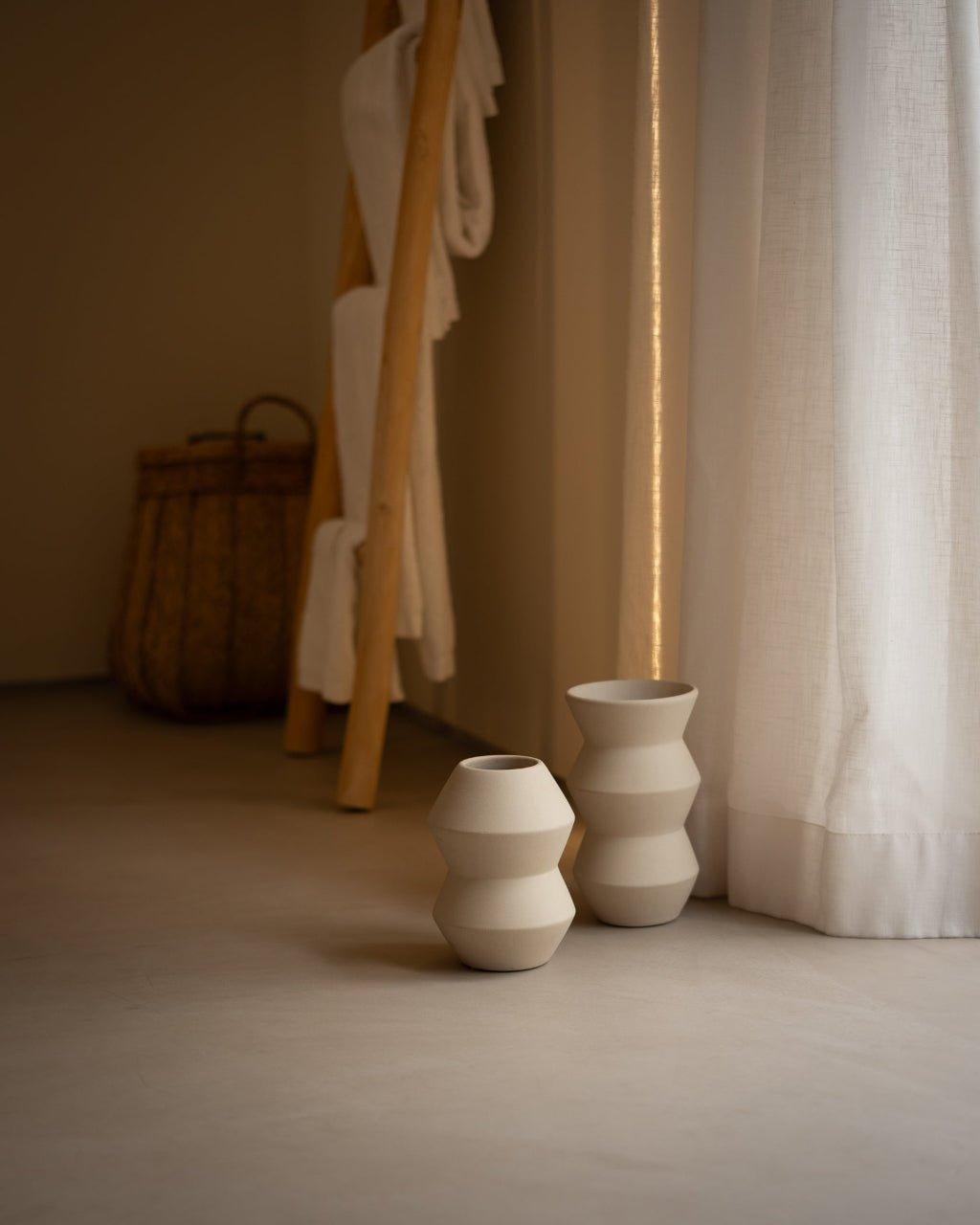
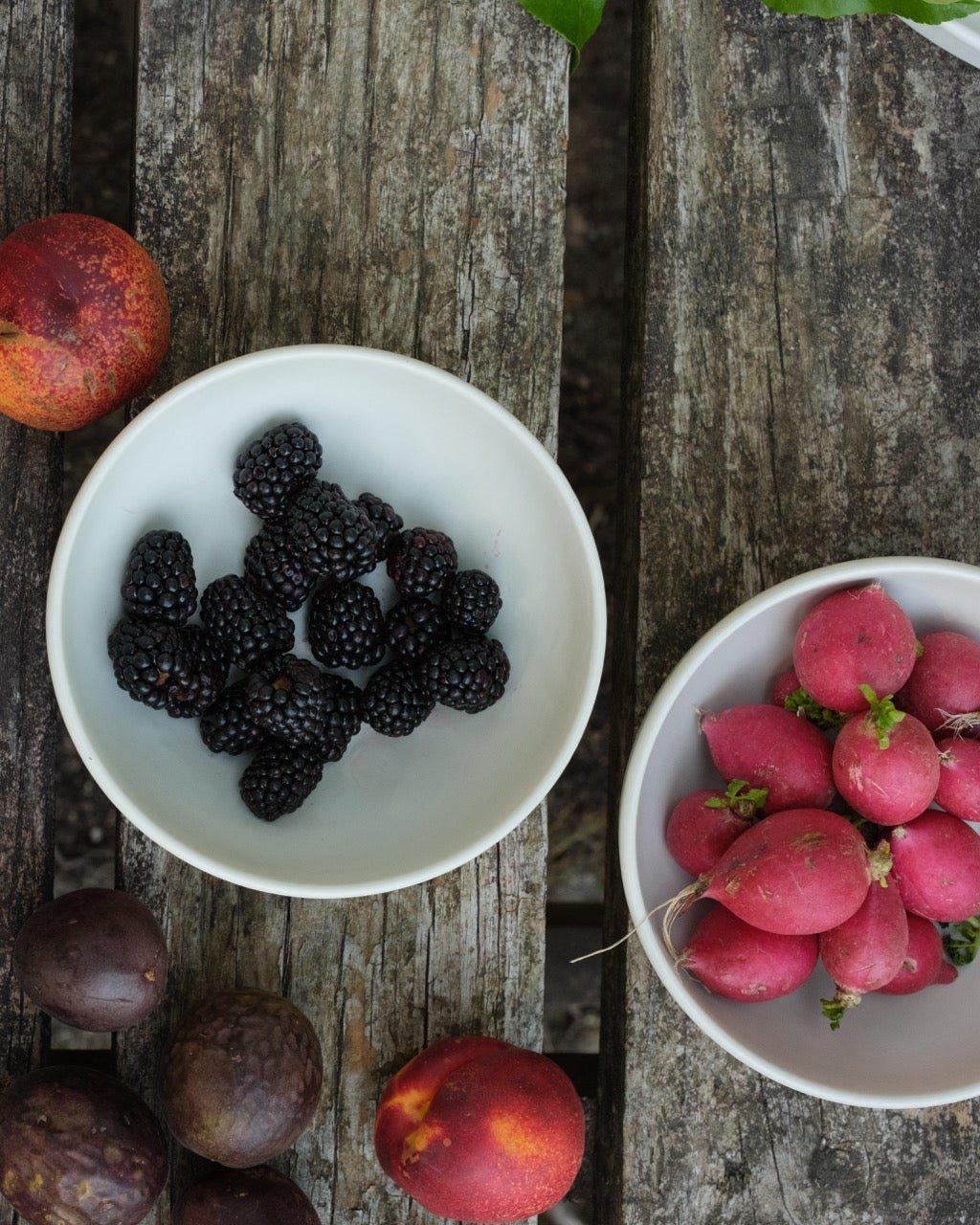
Every piece starts with locally sourced and recycled clay, fired at 1,280 degrees to produce dense, durable stoneware. The glazes come in muted, earthy tones, moss green, pearl white, matte black, drawn from the coastal landscapes and pastel light of the region. The design language balances Portuguese ceramic heritage with a northern European restraint: organic shapes, clean lines, a reduced palette that lets the material speak. In the Campo collection, soft, rounded forms and warm glazes feel equally at home at a weekday breakfast or a Saturday dinner with friends. What holds the work together is proximity. Botica Amano's headquarters sit minutes from both workshops, allowing for the kind of ongoing, face-to-face collaboration that remote production rarely permits. Distances are short, relationships are long, and every detail, from clay composition to glaze thickness, can be discussed in person.
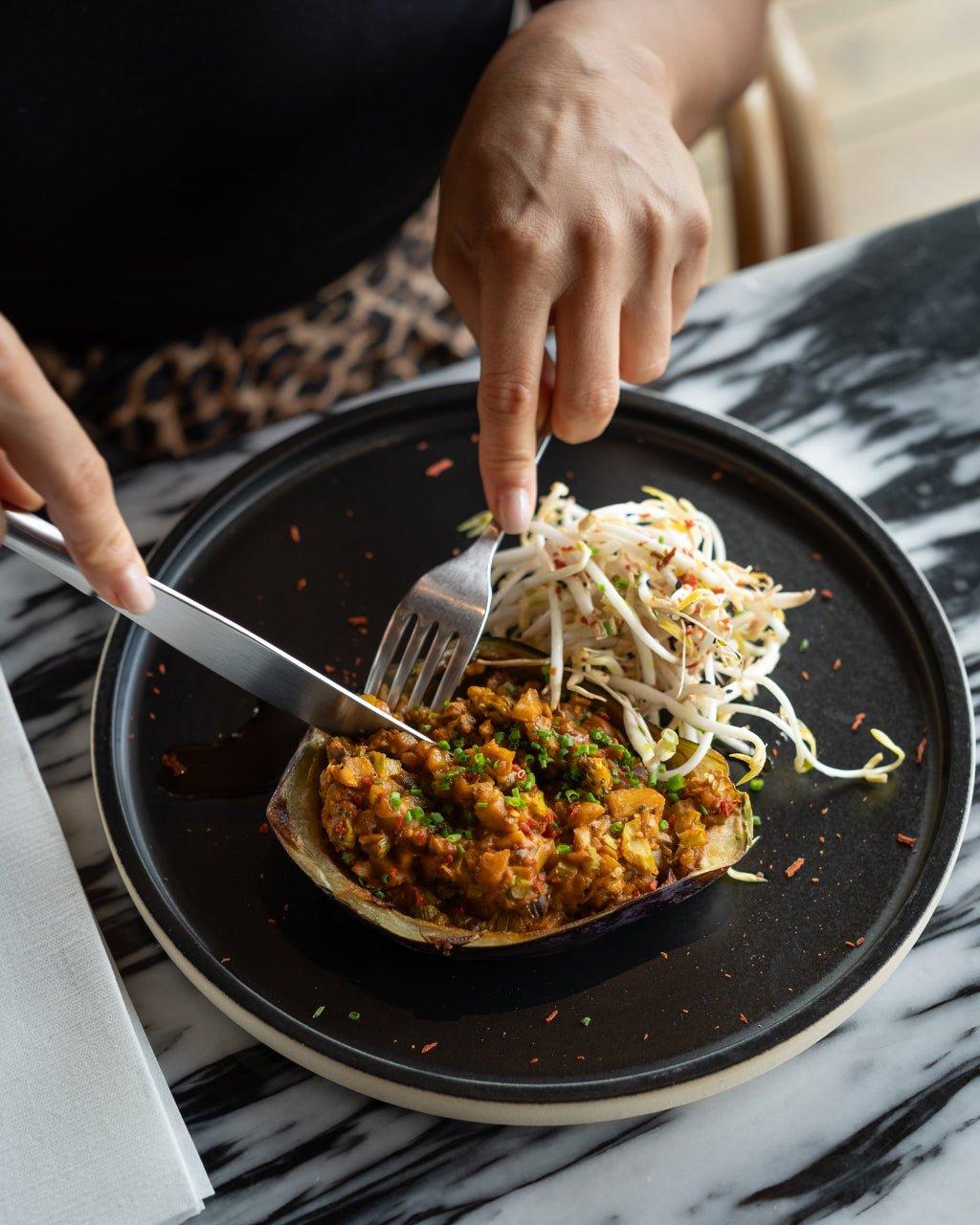
There is something quietly confident about a plate that shows its own material. Botica Amano makes ceramics that are built to be used daily, fired to withstand the dishwasher and the oven, yet shaped by hands that understand the difference between something merely functional and something worth setting a table around.