
Elisabetta Lombardo Ceramics · Berlin, Germany
Elisabetta Lombardo
“I look at minerals for what they can become when exposed to heat.”
Share a quick thought with Elisabetta to reveal your discount at checkout.
Log in to unlock
10% off all products
Selected pieces
View all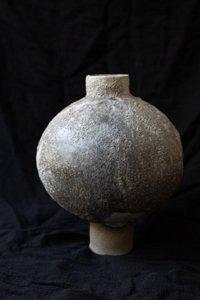
Elisabetta Lombardo Ceramics · Berlin, Germany
Brand Portrait
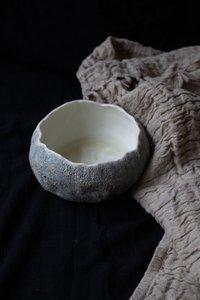
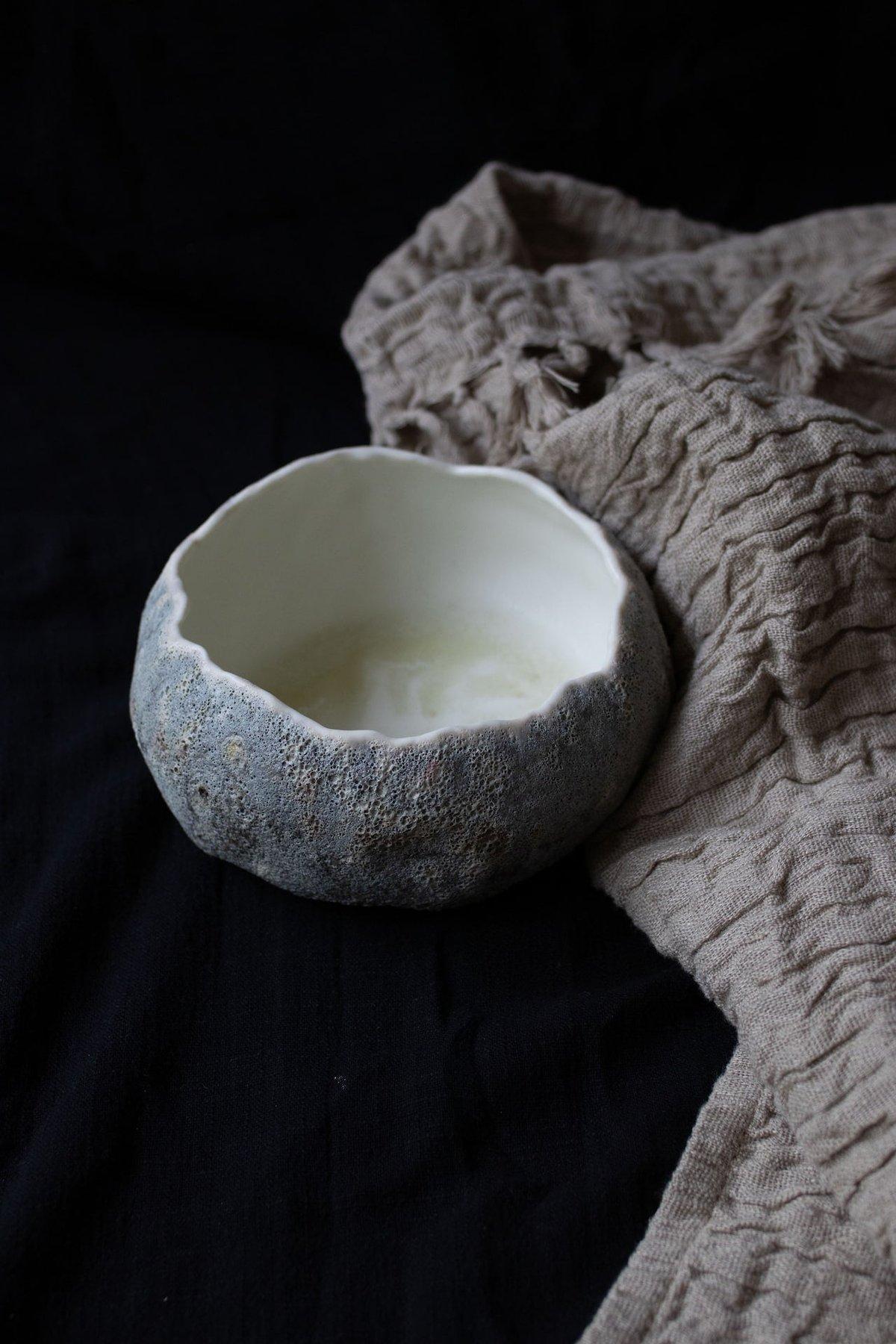
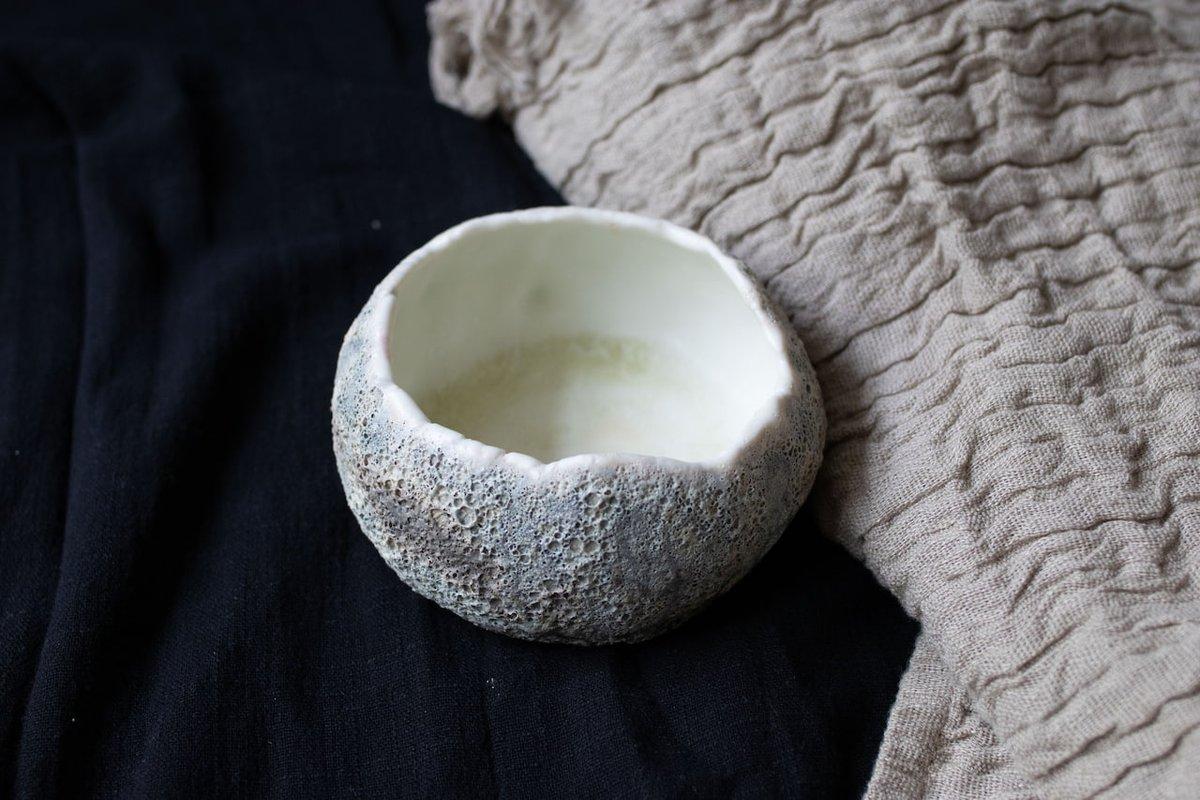
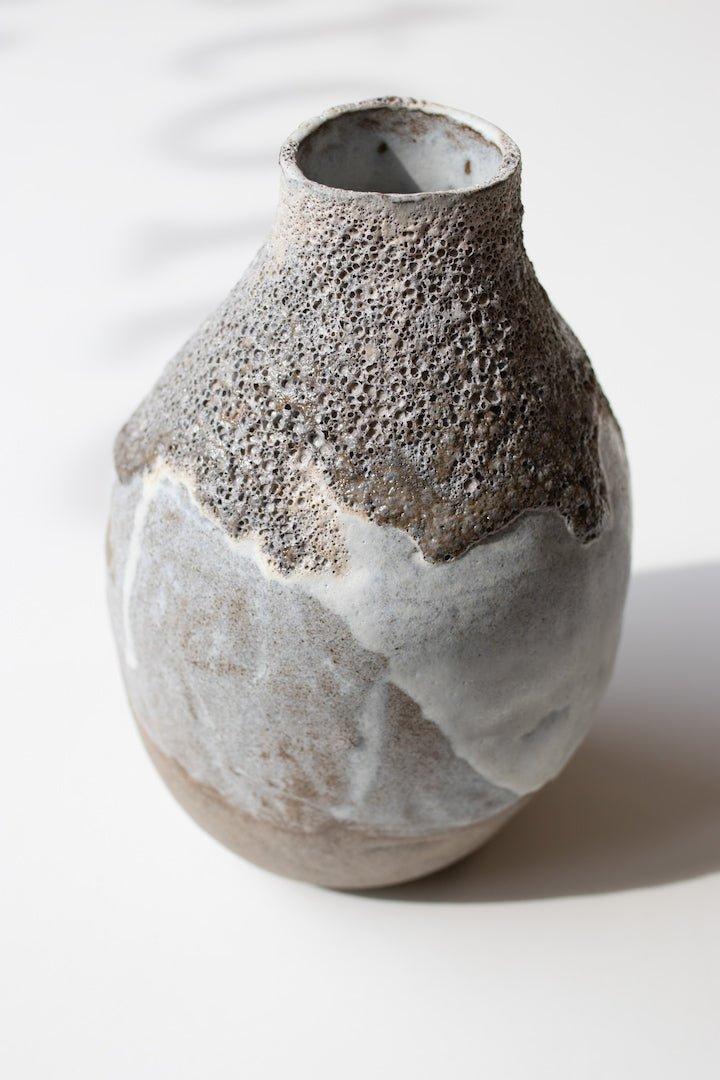
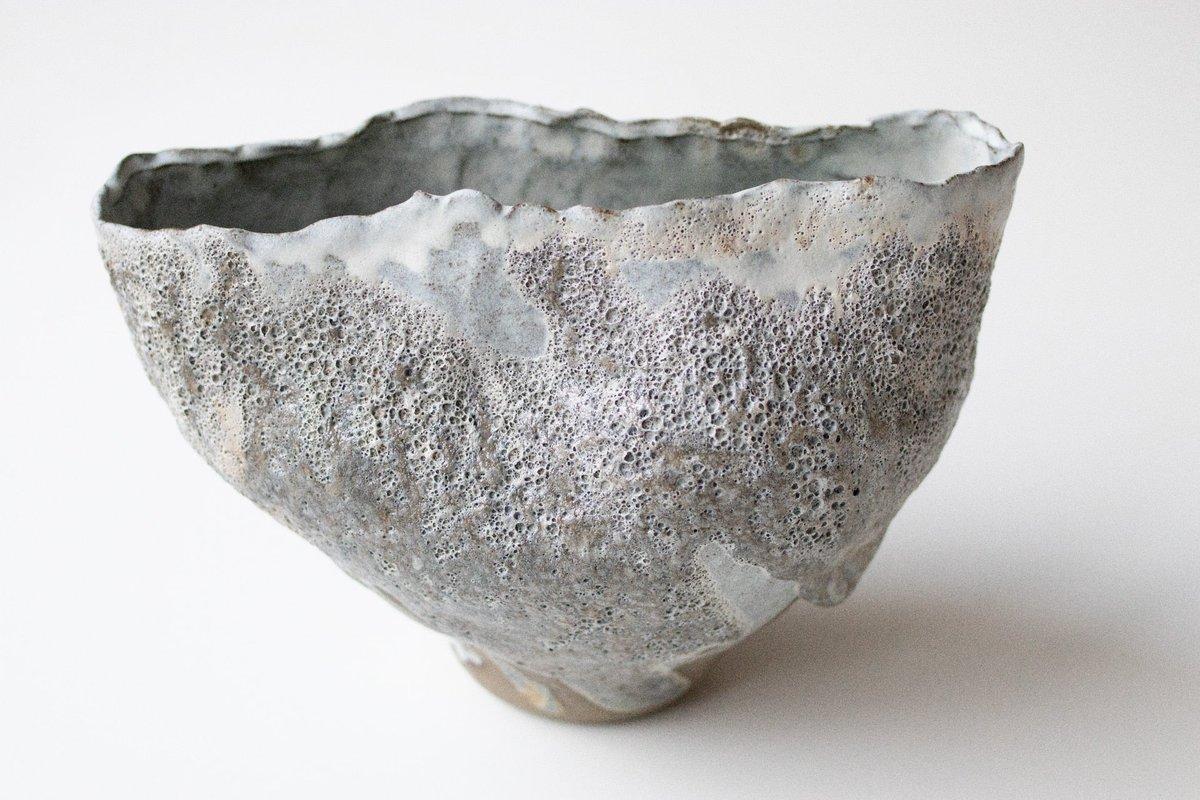
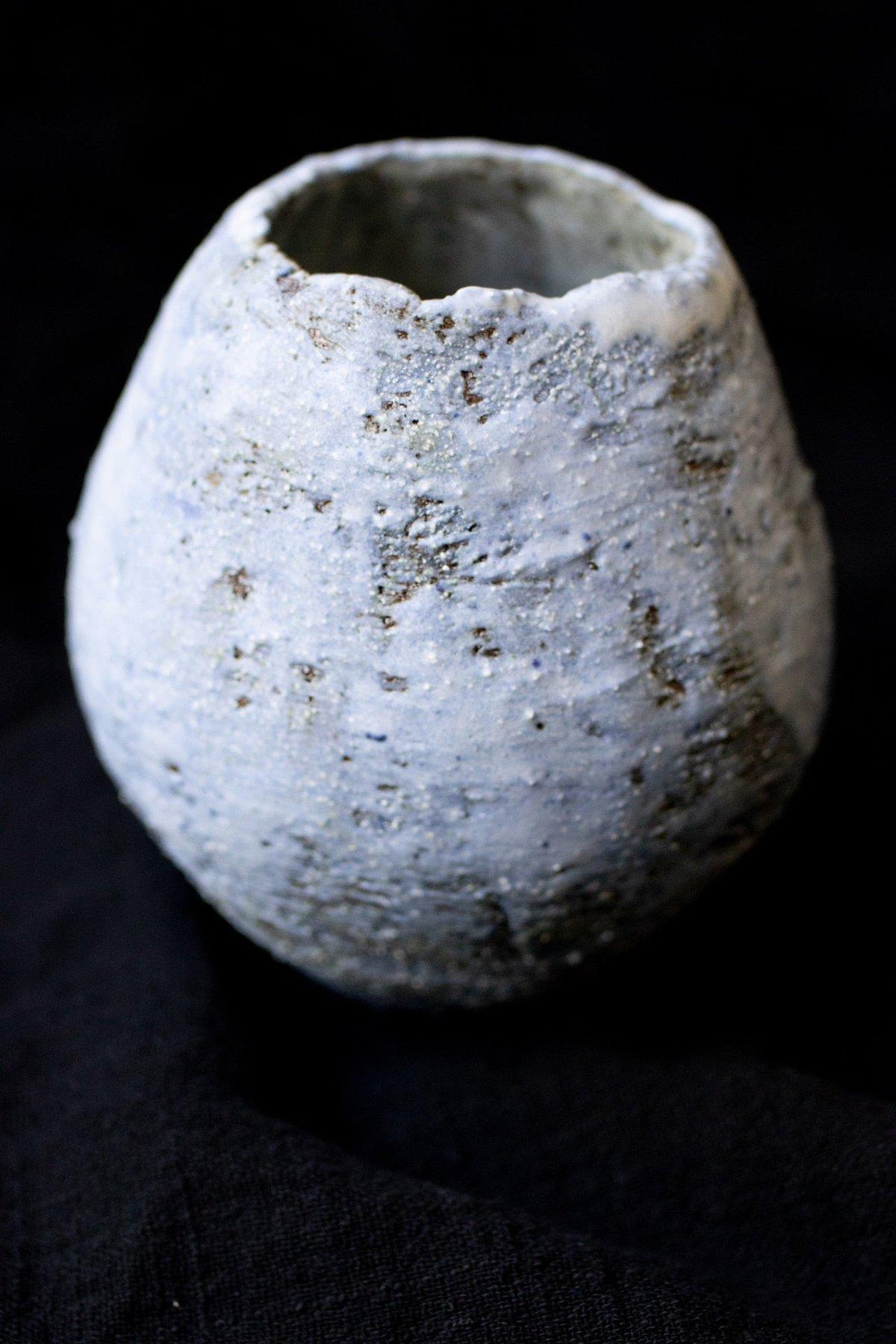
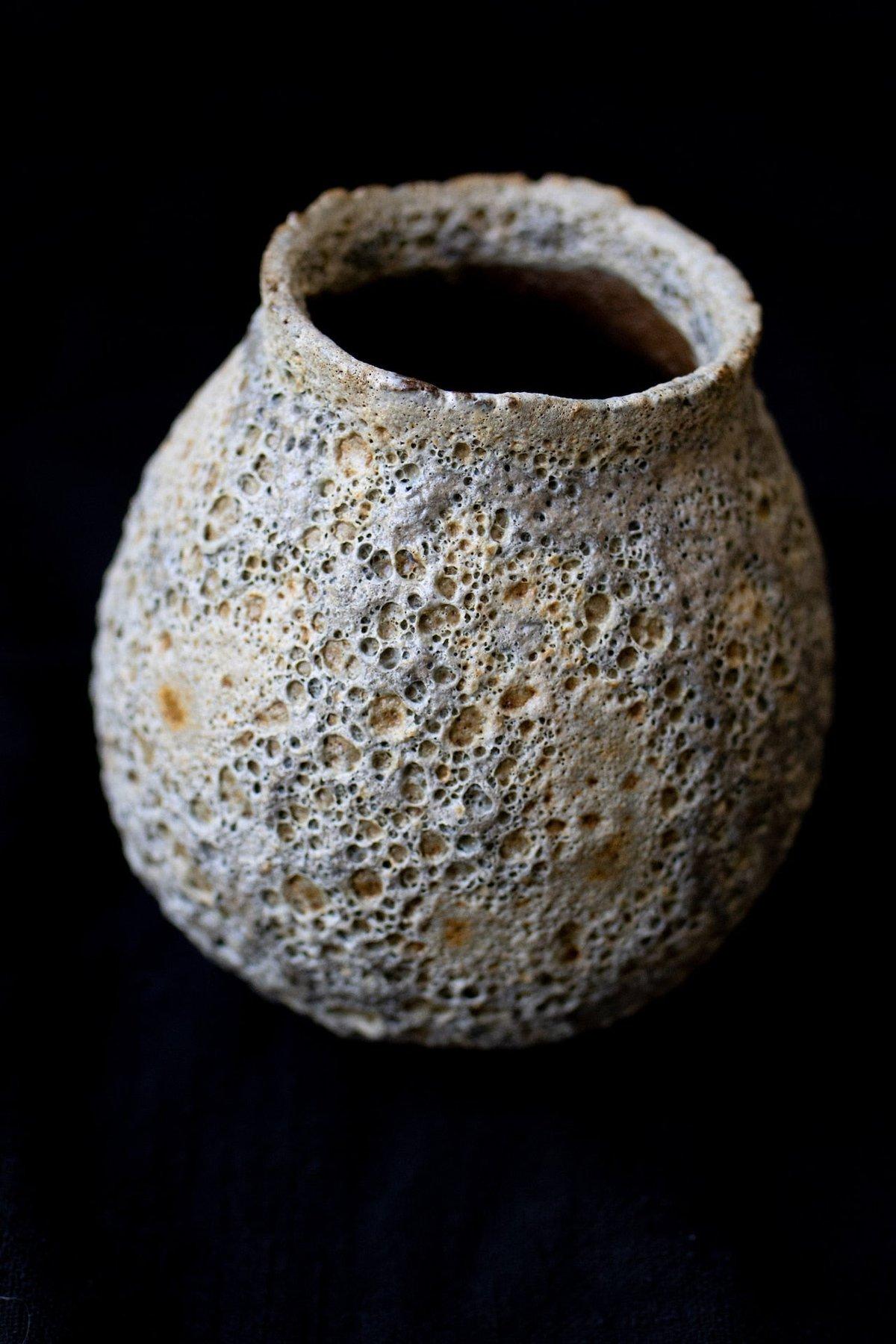
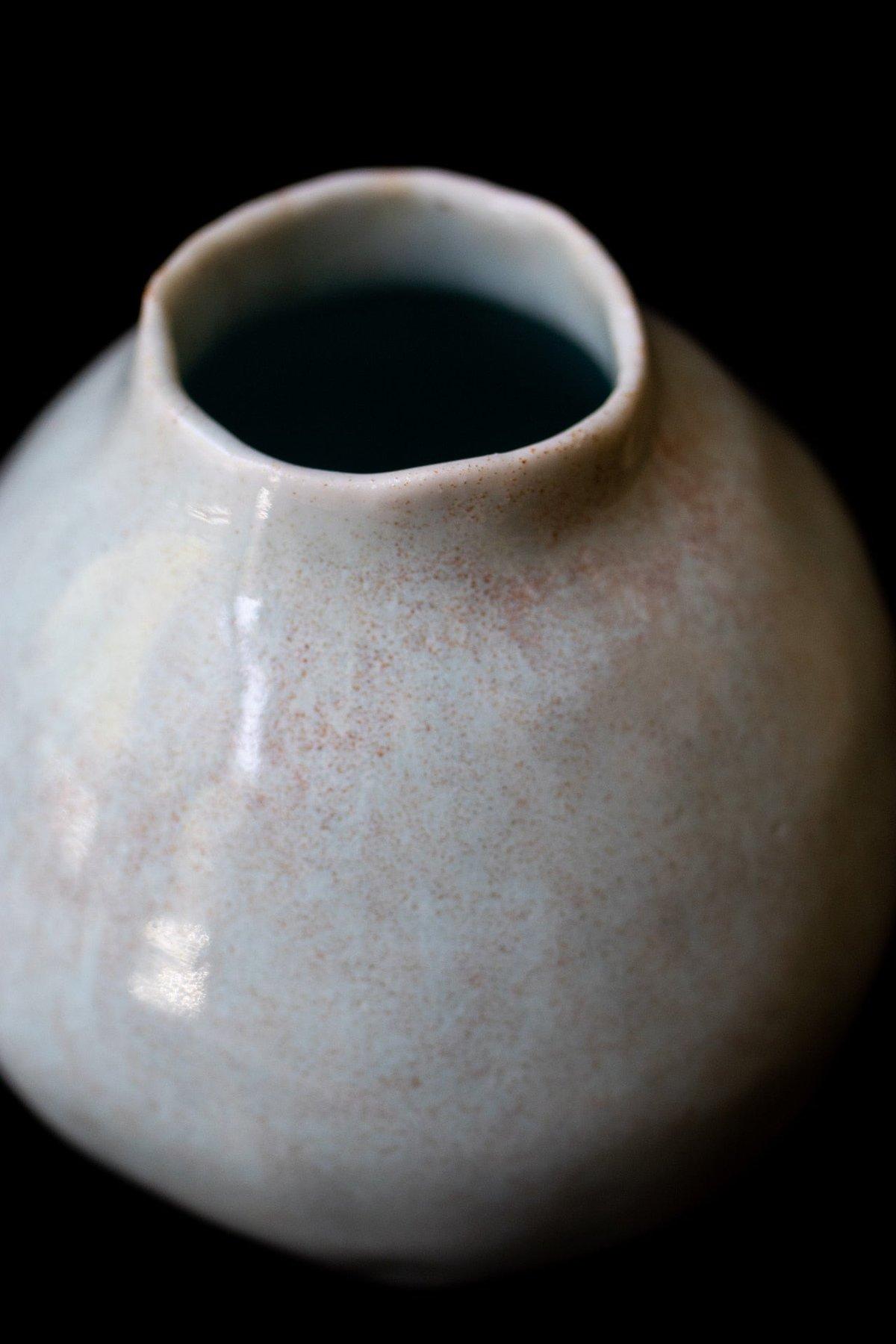
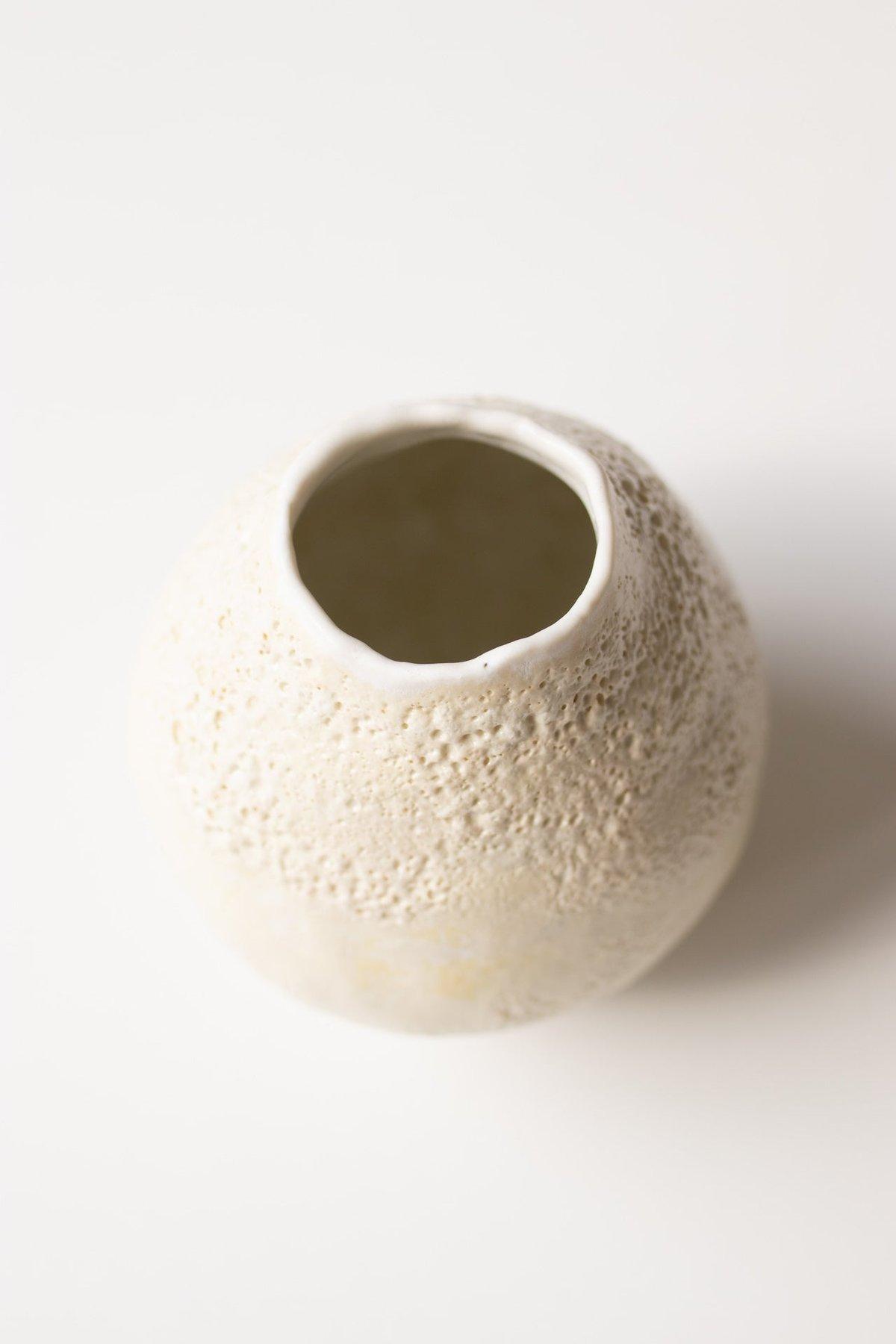
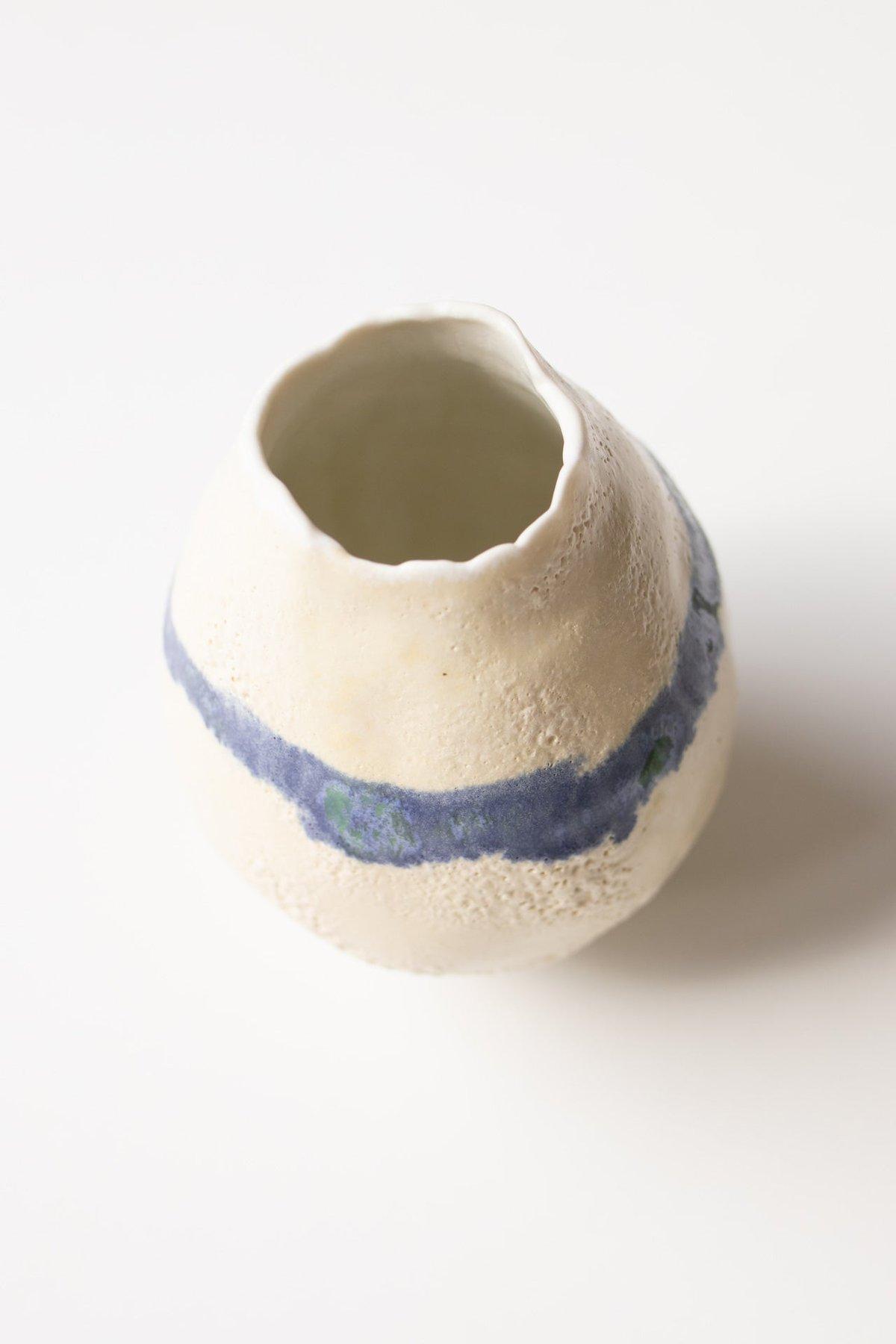
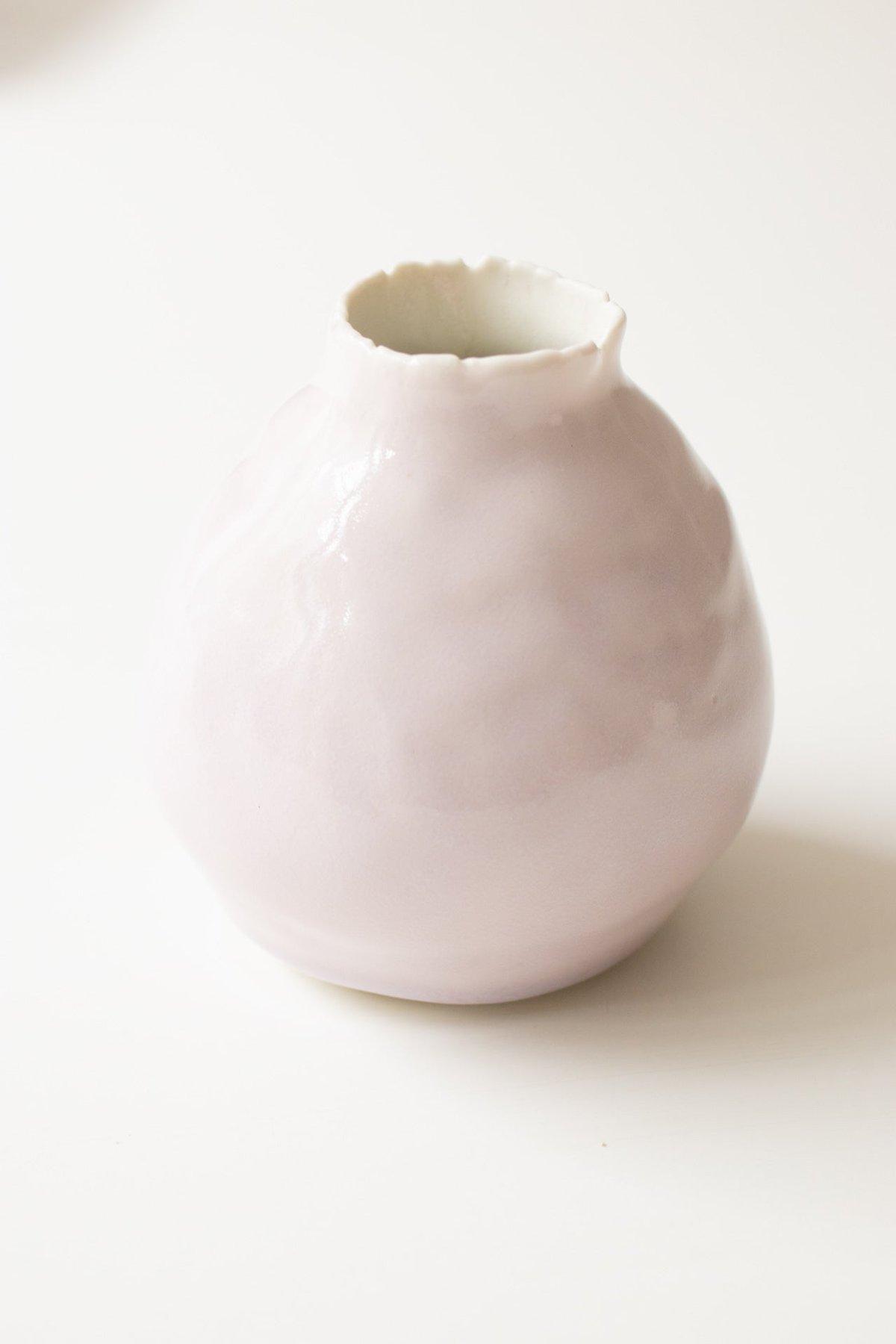
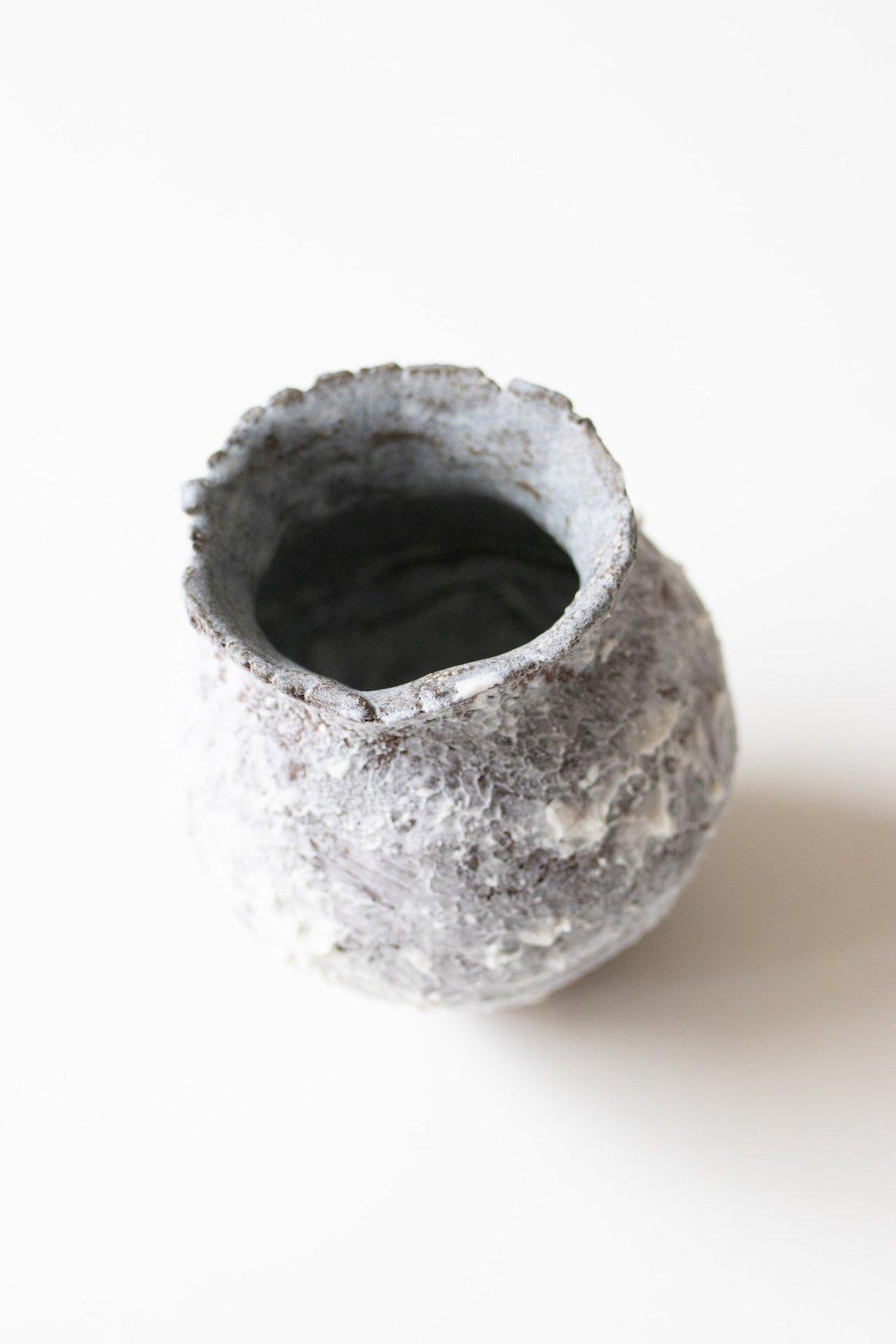
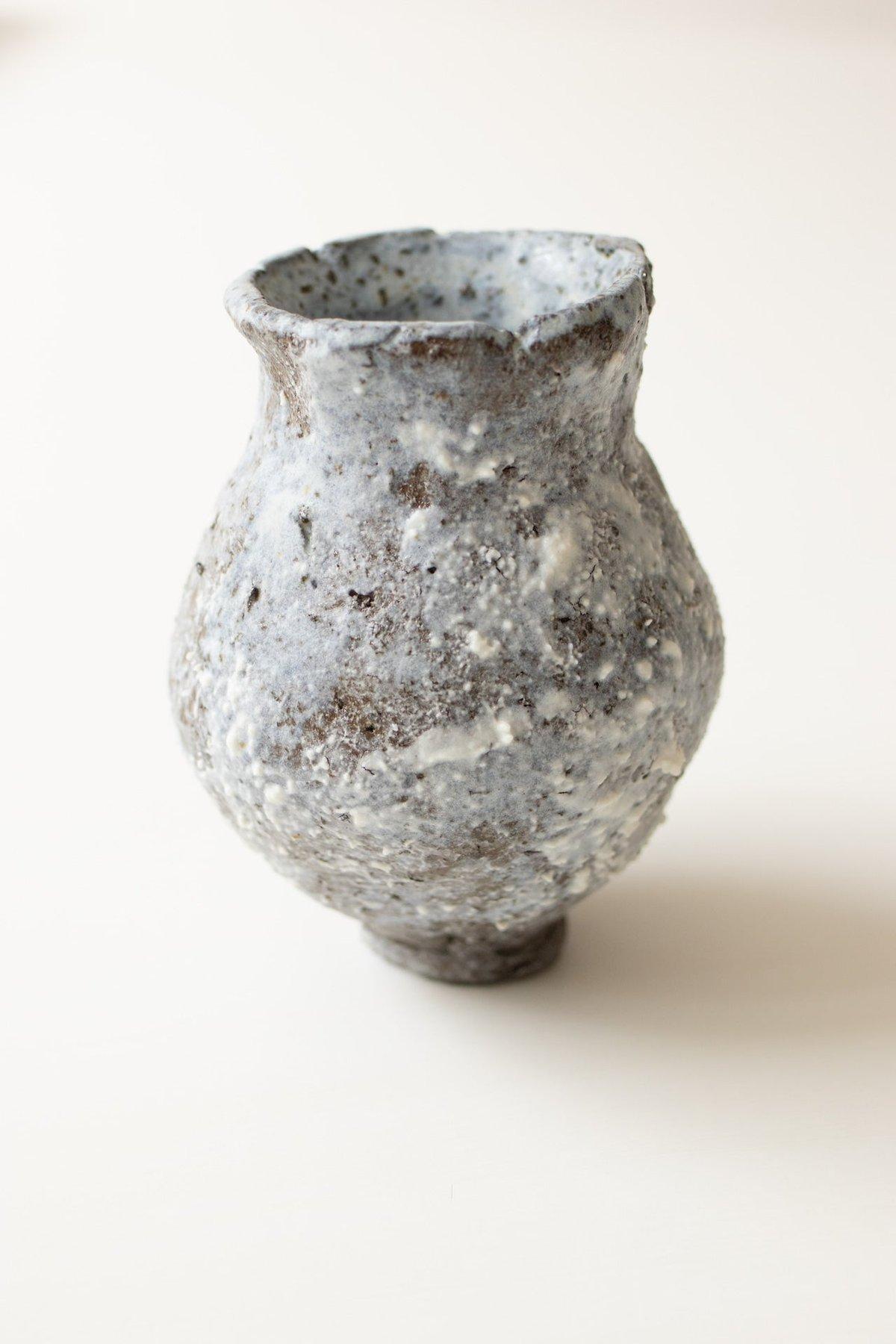
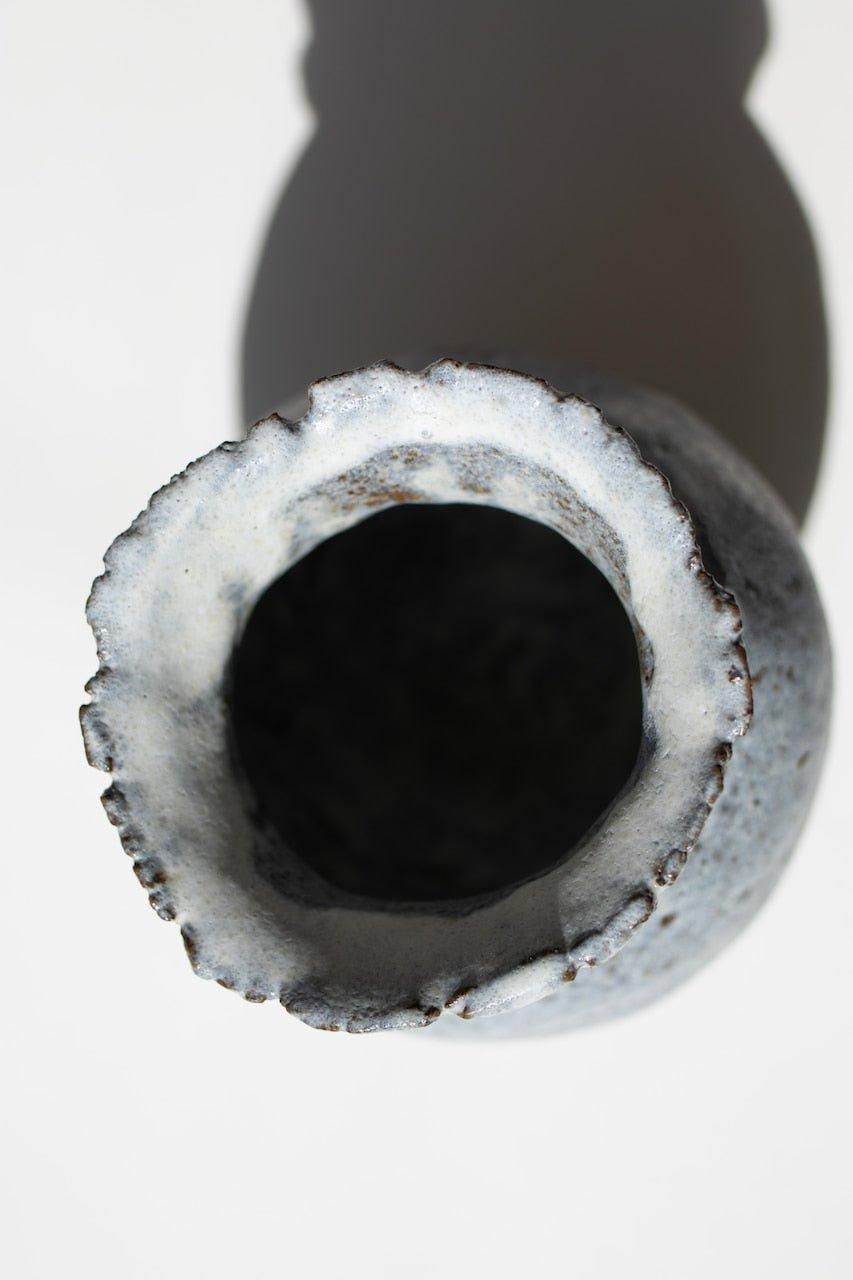
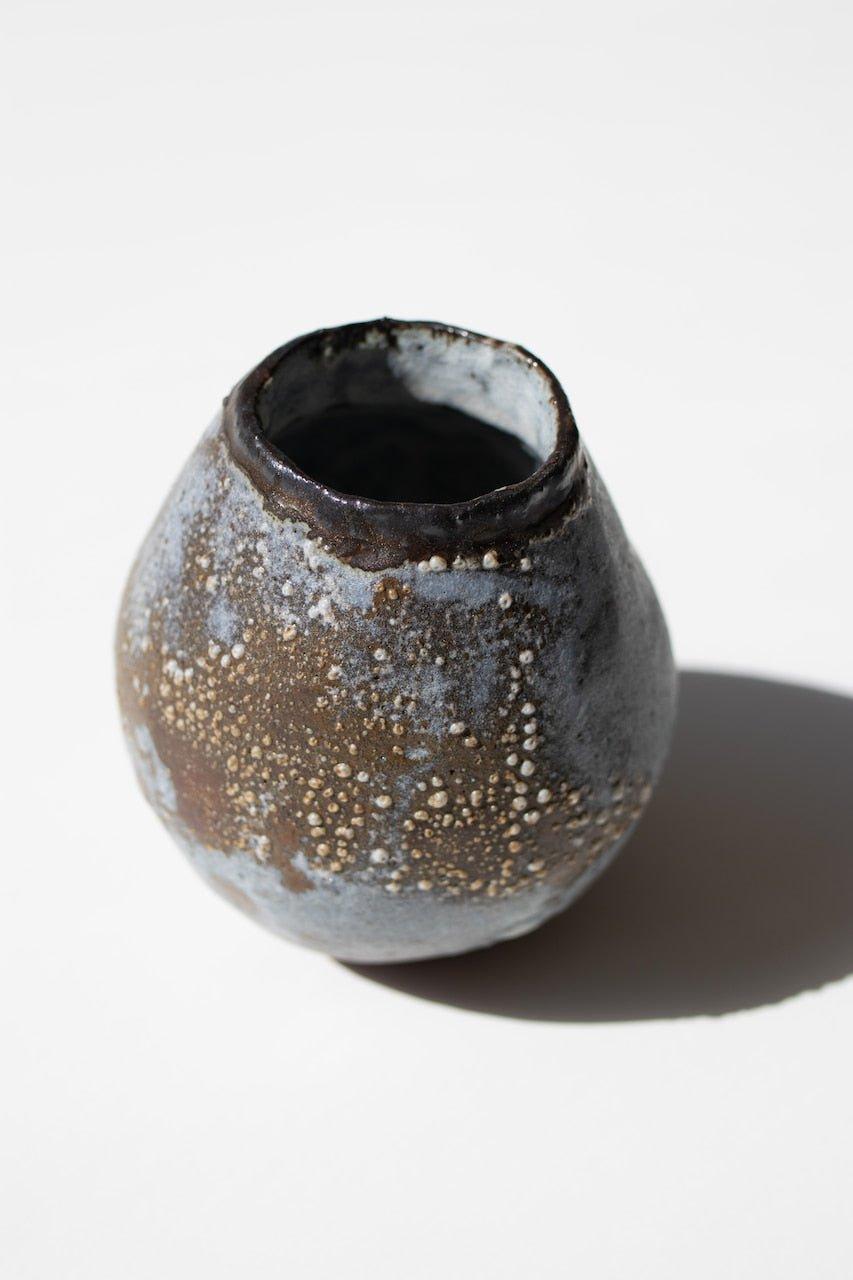
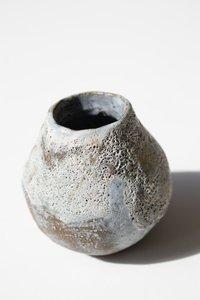
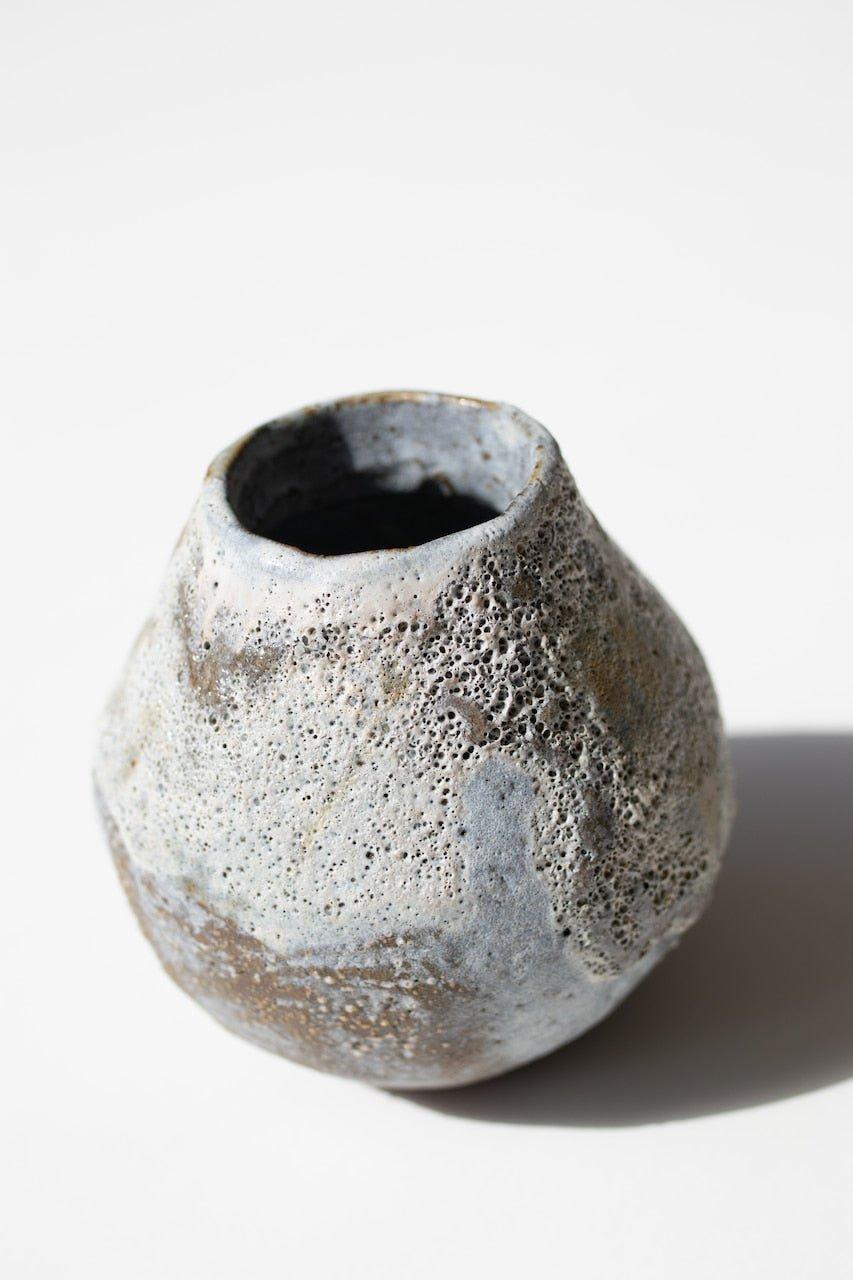
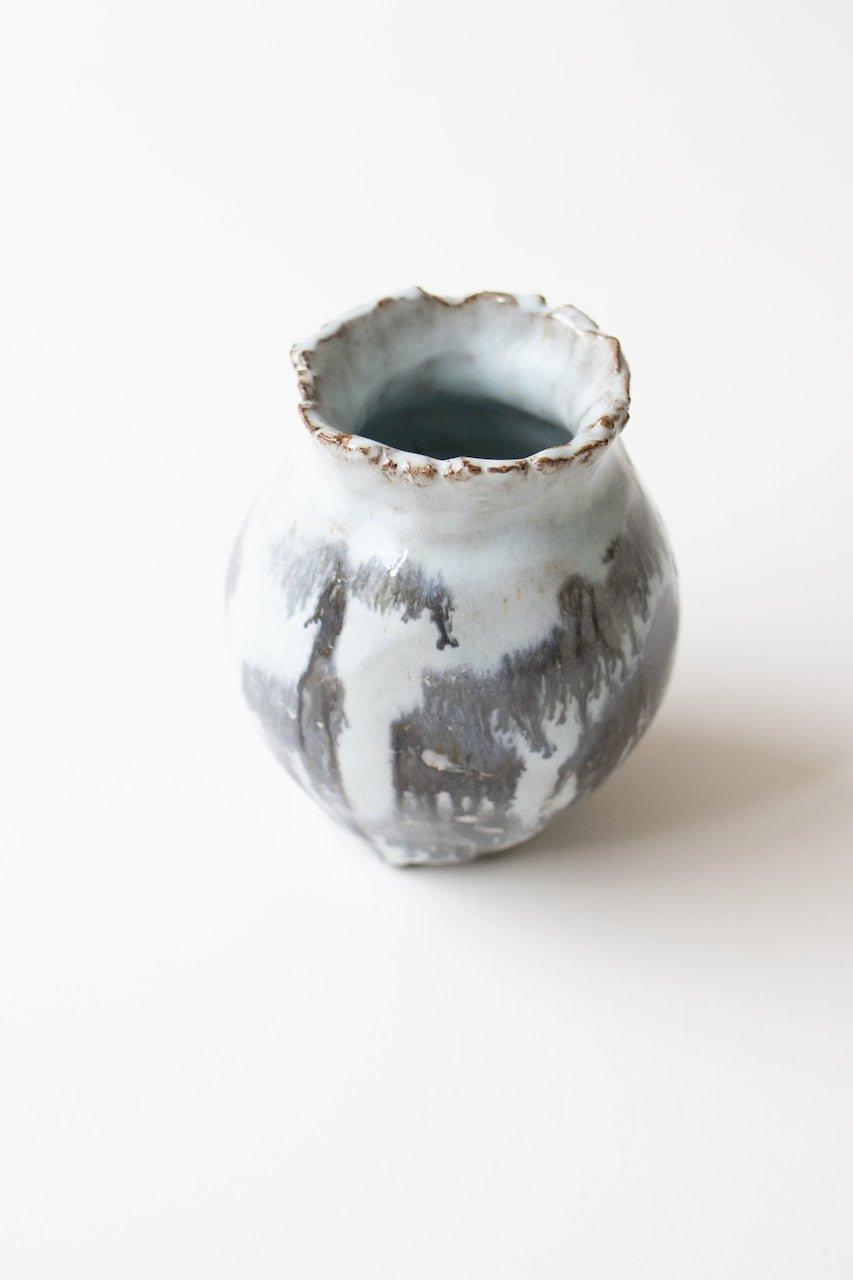
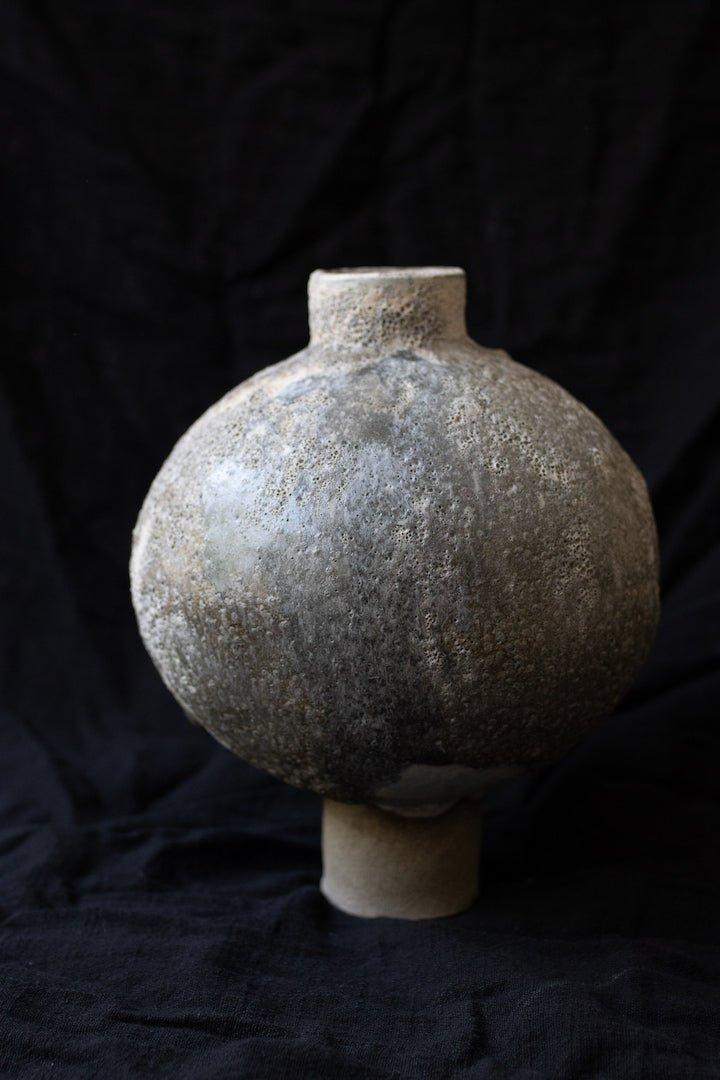
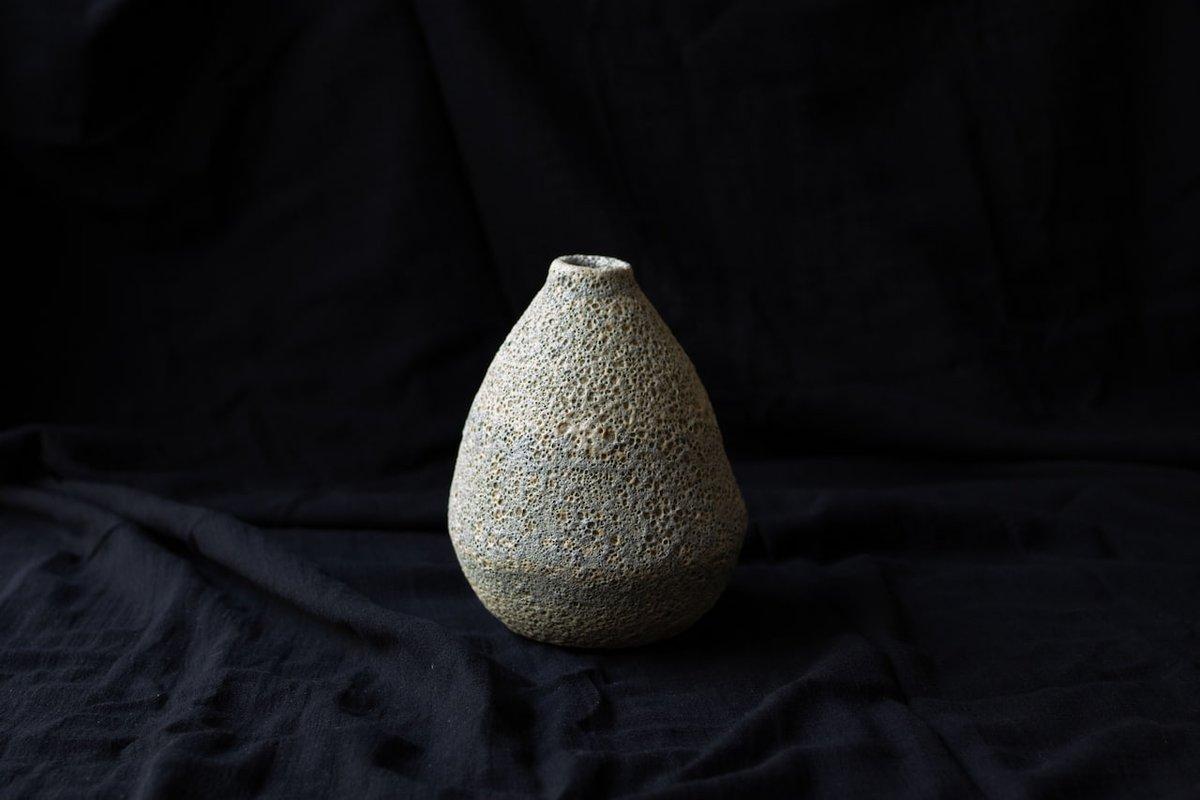
Elisabetta Lombardo hand-builds porcelain vases and jewellery in Kreuzberg. Glazes informed by planetary science and mineral research, each one formulated from scratch.
Elisabetta Lombardo is quiet in the way that people are when they know exactly what they're doing. The Italian-born, Berlin-based ceramicist came across as calm and considered on our call: someone with a clear sense of what she makes, why she makes it, and what it means. That kind of certainty doesn't announce itself. You just notice it.
Before ceramics, there was tech. And before that, a degree in human rights. It's an unusual trajectory, but it makes sense when she describes the move to working with her hands as the right change at the right time. She calls it a perfect transition, and you believe her. There's nothing nostalgic or escapist about how she talks about it. She simply found the medium that fits.
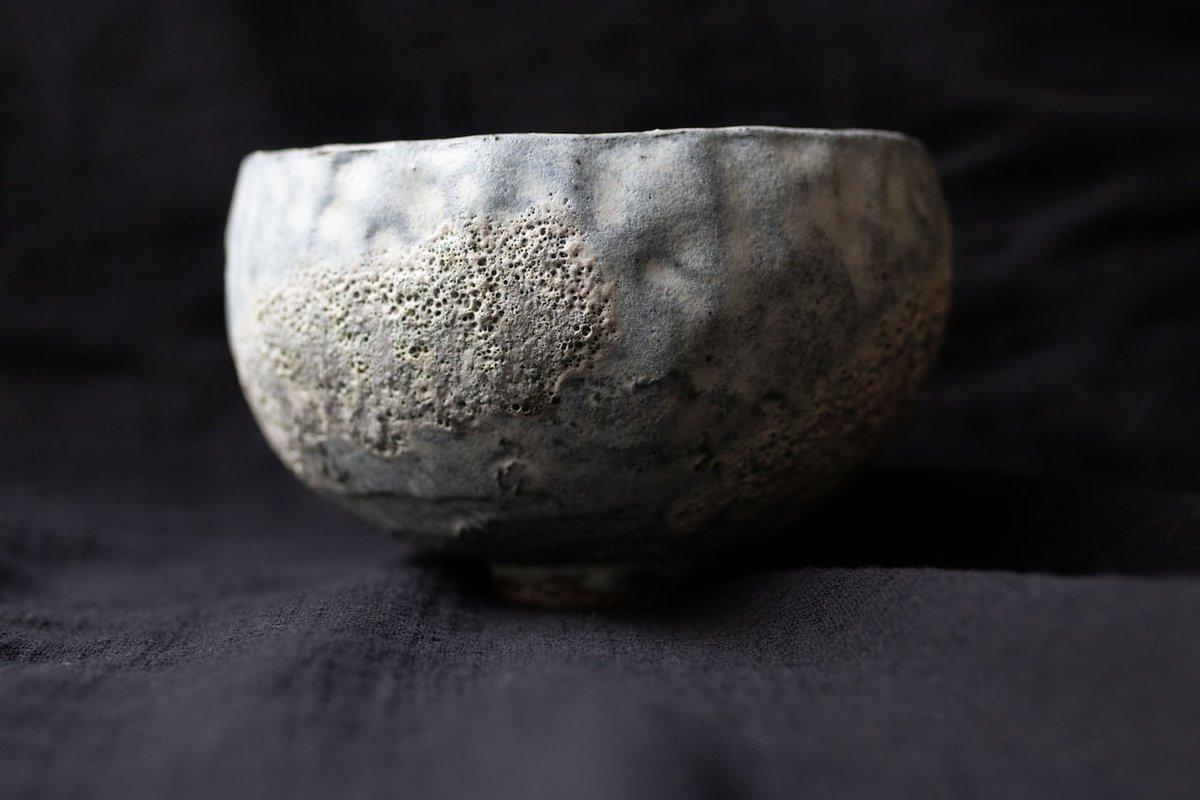
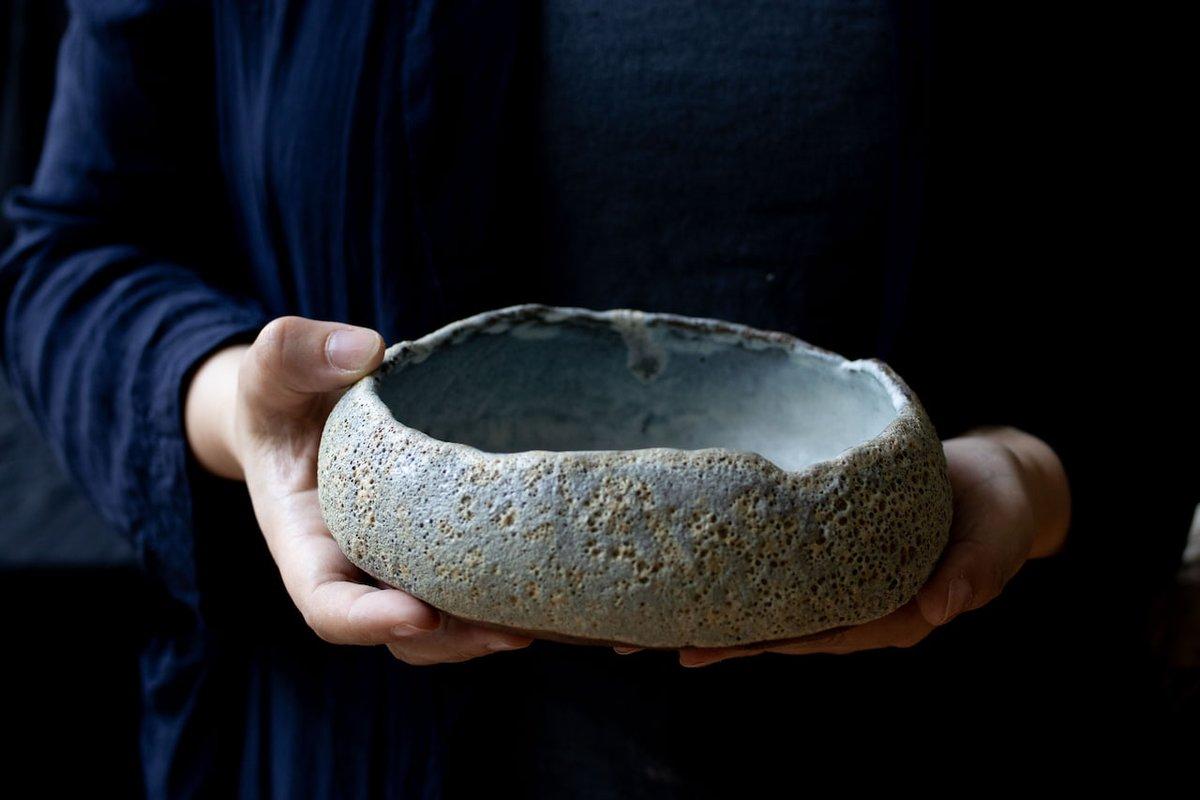
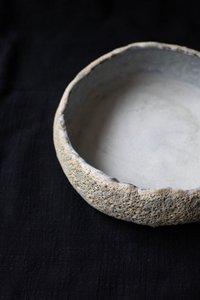
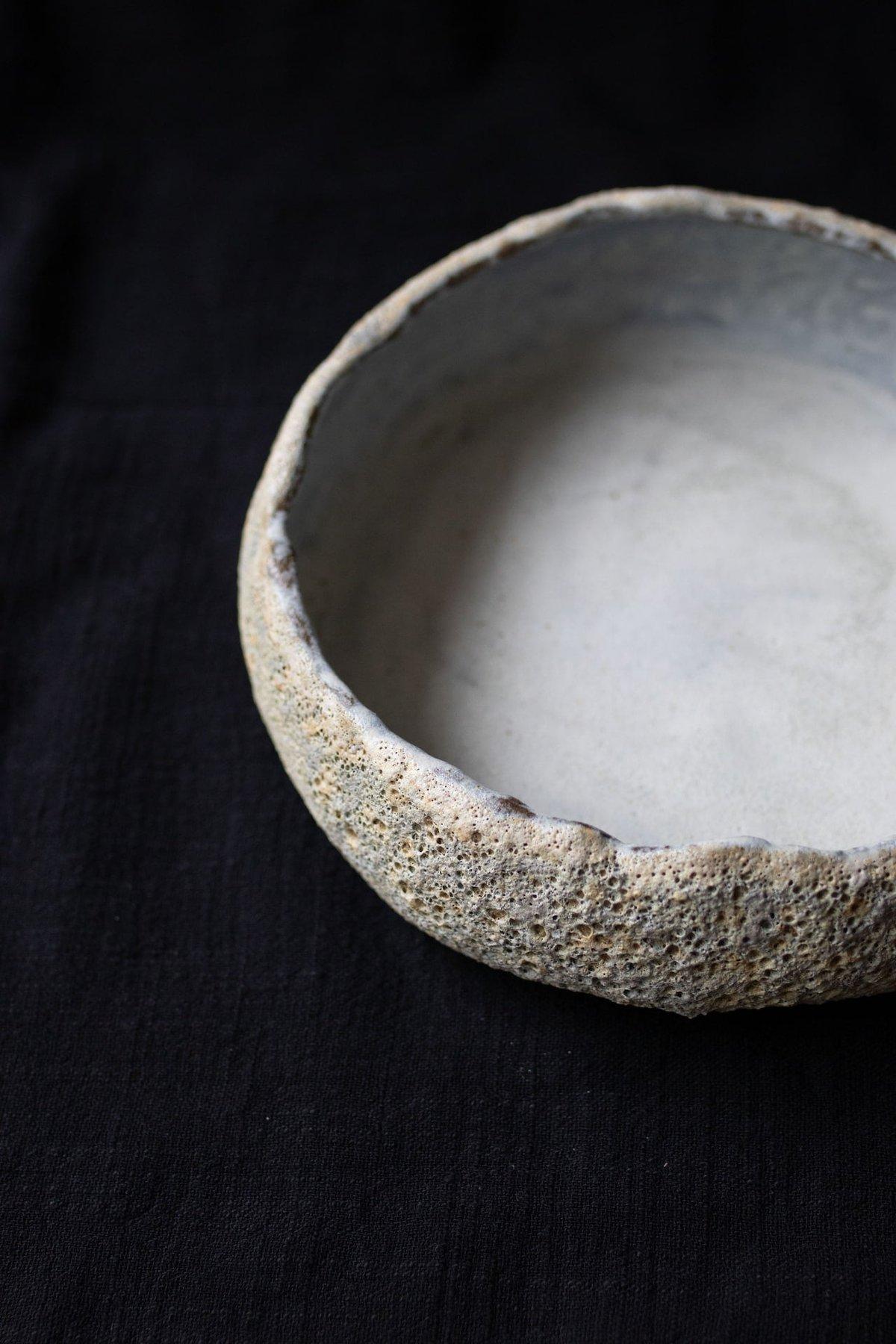
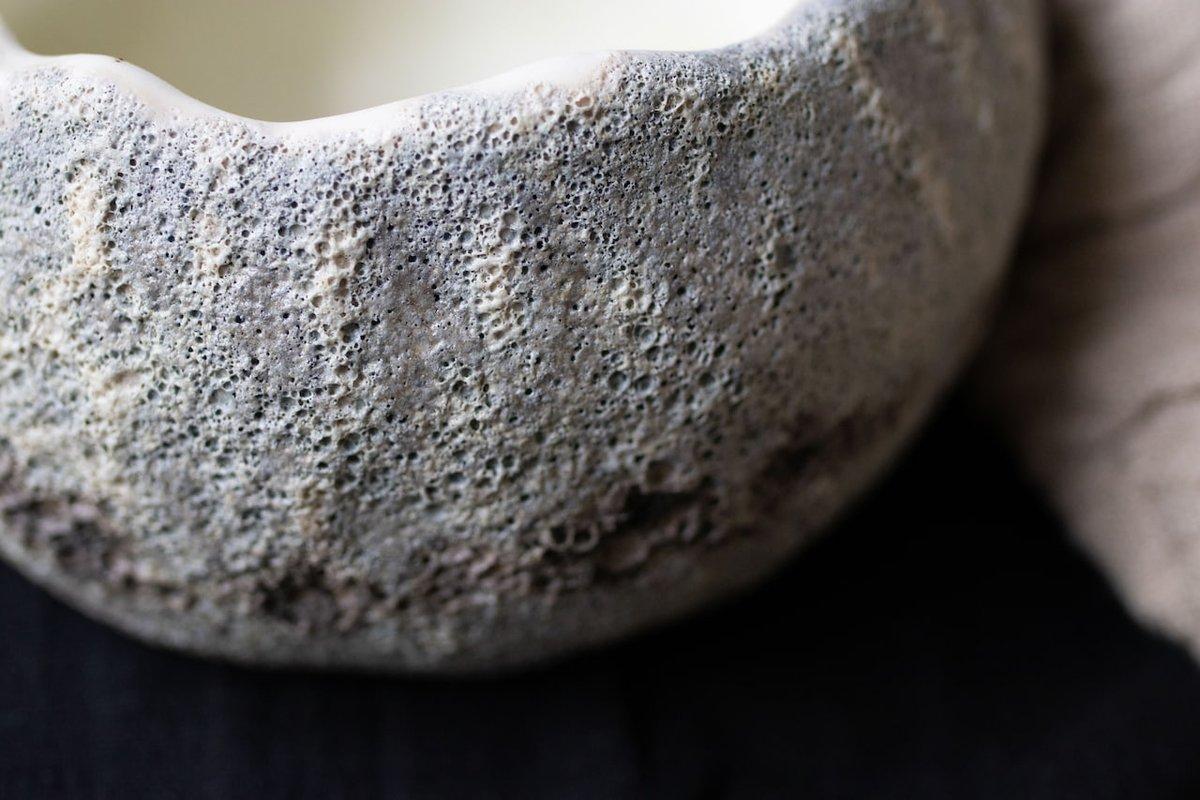
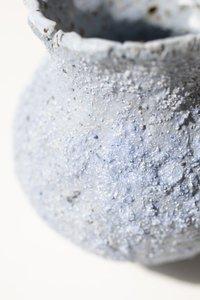
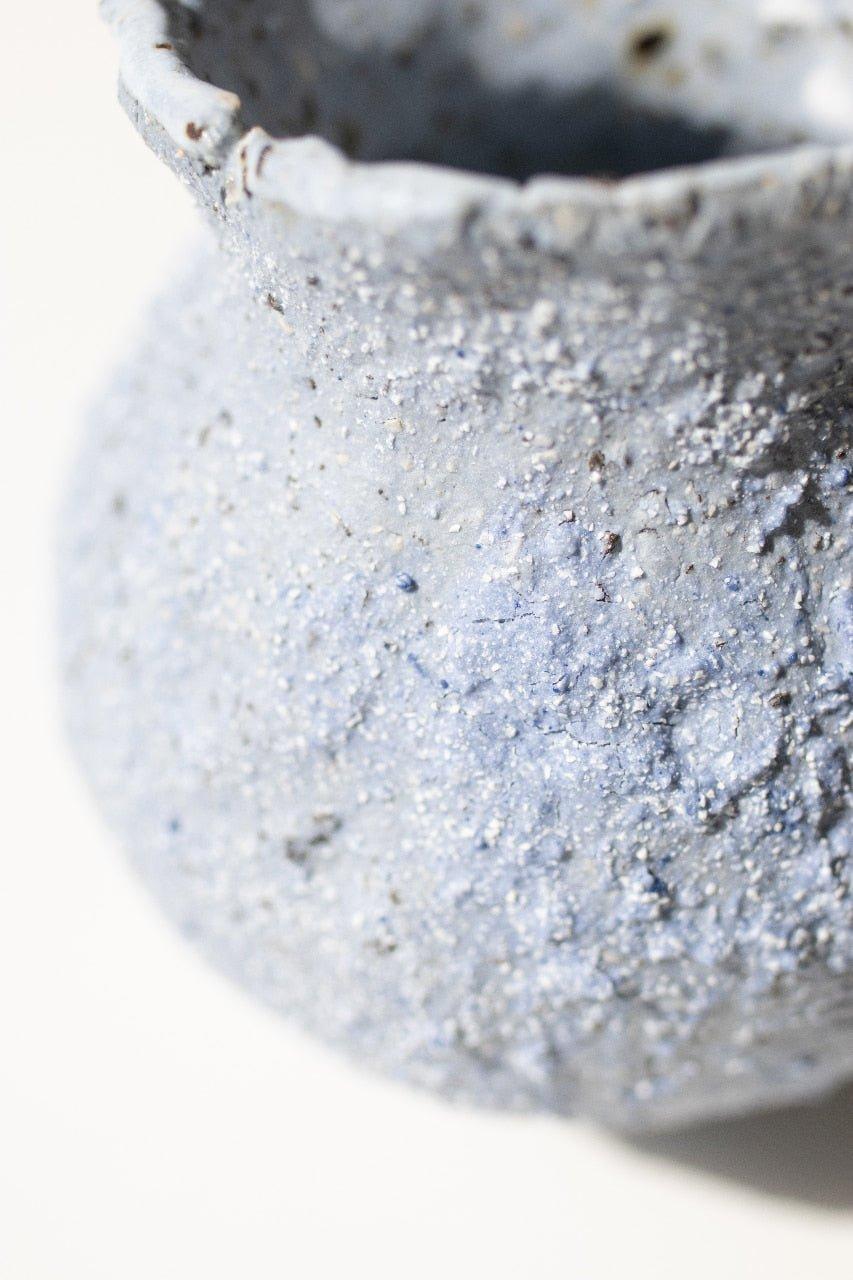
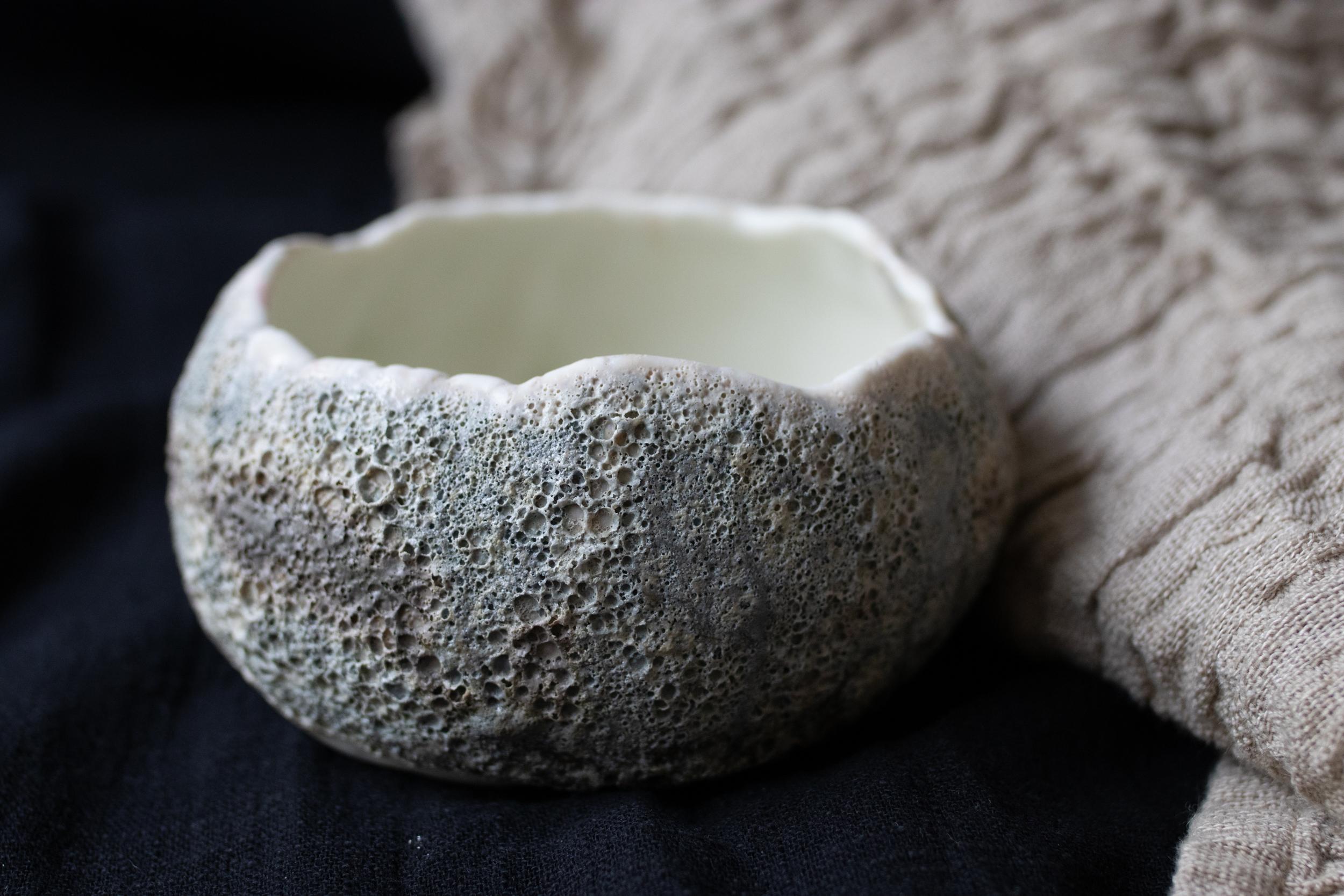
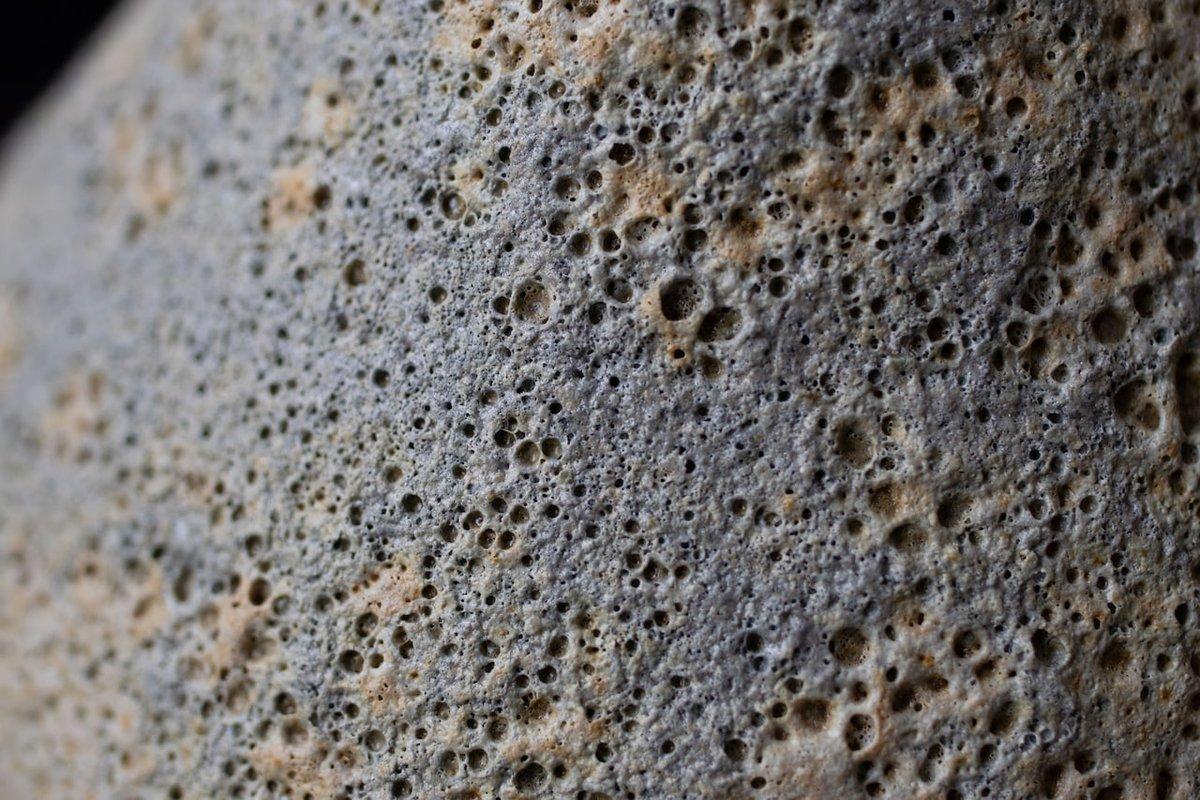
The work is built around a deep fascination with the planet. Her collections carry names like Moonscape, Orbitals, and Rare Earth. She formulates her own glazes from scratch, often spending weeks researching the geology of a place before a single test tile is made. The connection to science is real, not decorative. Planetary science, she says, meets ceramic art. Looking at the pieces, that's exactly what you see.
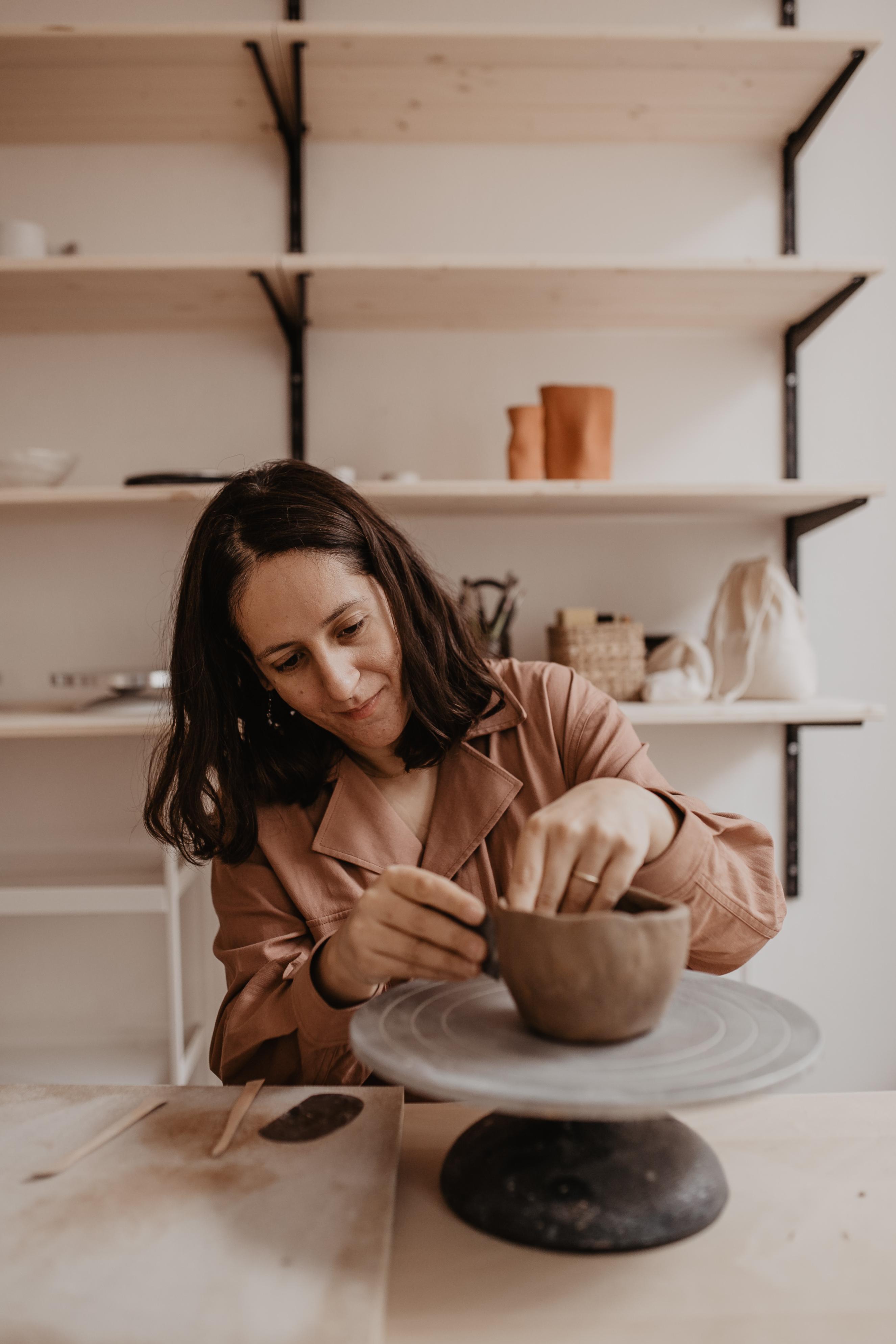
She builds everything by hand, without a wheel, using porcelain and stoneware. Pinching and coiling, slowly. She writes about the building of a vessel as an exercise in paying attention, in being fully present. That comes through in the objects themselves: organic but refined, open rather than closed. Vases are her preferred form because, as she puts it, they invite you in without looking complete.
Elisabetta co-founded Kleistone Studio in Berlin, where she teaches hand-building classes and has led hundreds of students through the process. She also writes a Substack newsletter connecting the history of ceramics to contemporary culture. The teaching and writing aren't sidelines. They're part of how she thinks about what ceramics is for. Her work was recently shown at the Petit Palais in Paris. It belongs there.